

Glenn Russell - Master Stonemason
Experienced working in the industry for over 40 years.
Author
All You Need to Know about Travertine Tiles, Travertine Pavers and Pool Coping here in Australia
Travertine continues to dominate Australian outdoor and indoor projects thanks to its natural beauty, cool-underfoot feel, and versatility. Whether you’re building a pool oasis in Queensland’s heat, a low-maintenance patio in Victoria, or a luxury driveway in NSW, here are the questions Aussies ask most — answered clearly.
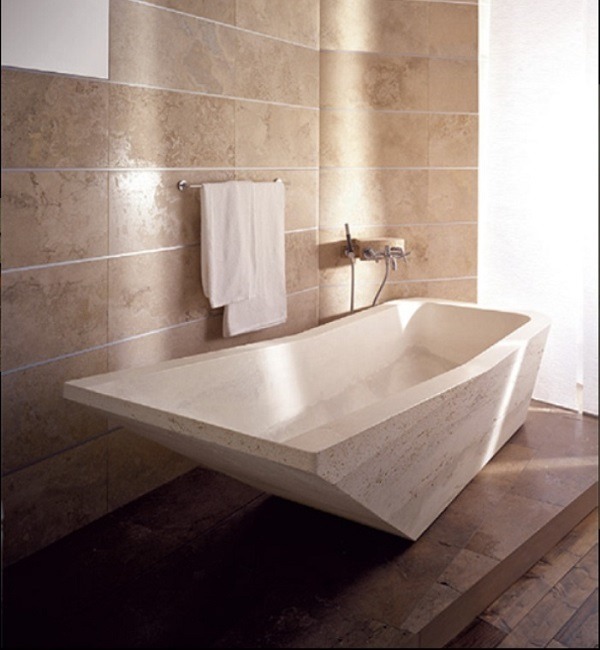
A natural limestone formed by hot springs depositing calcium carbonate. Its signature holes (voids), fossils, and soft veining give it that luxurious, organic look — think Mediterranean resort vibes right here in Australia.
2. Travertine Tiles vs Travertine Pavers — what’s the difference?
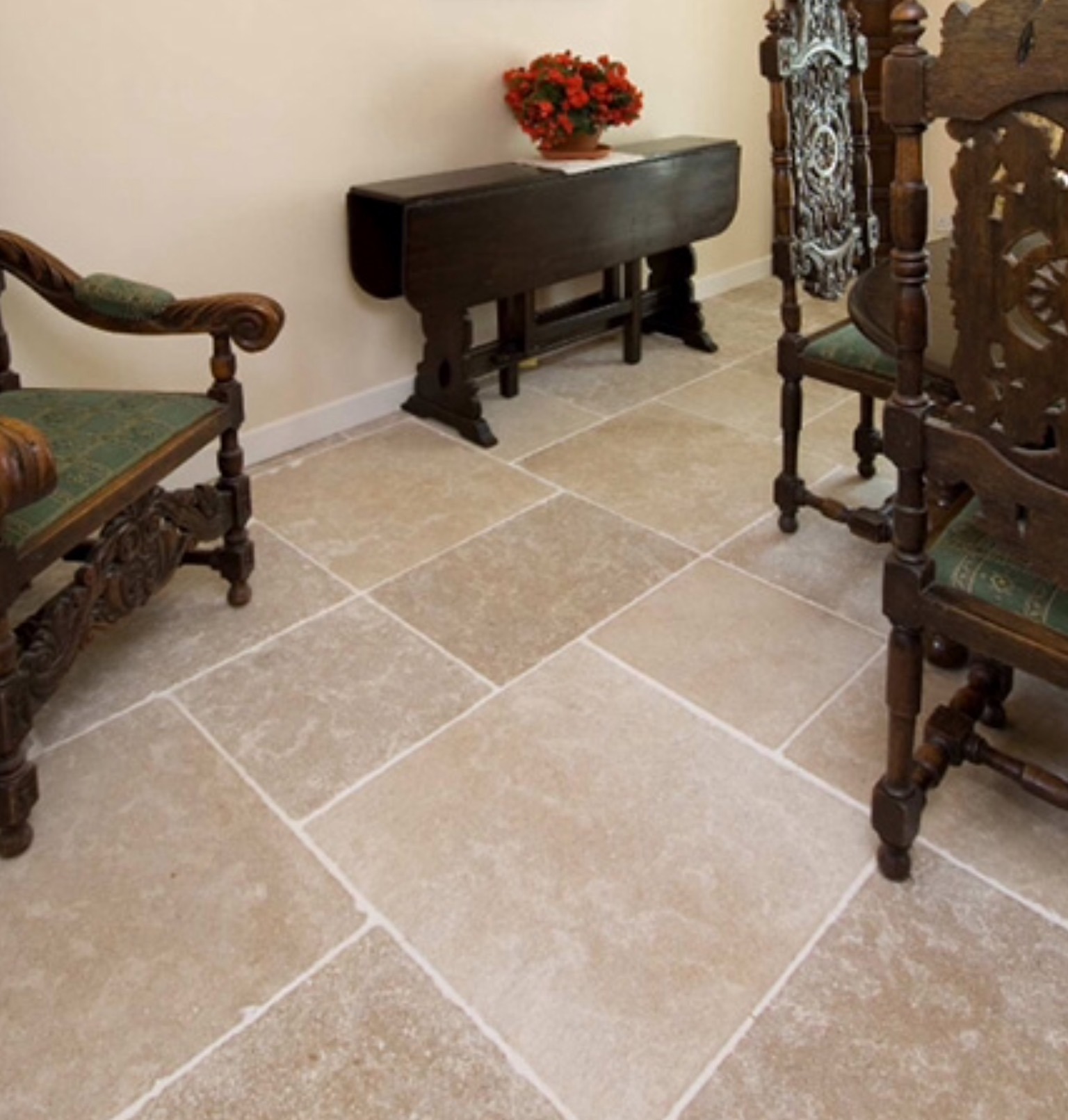
- Tiles — Thinner (typically 12–20mm), perfect for interiors (bathrooms, kitchens, feature walls) and lighter outdoor use like patios.
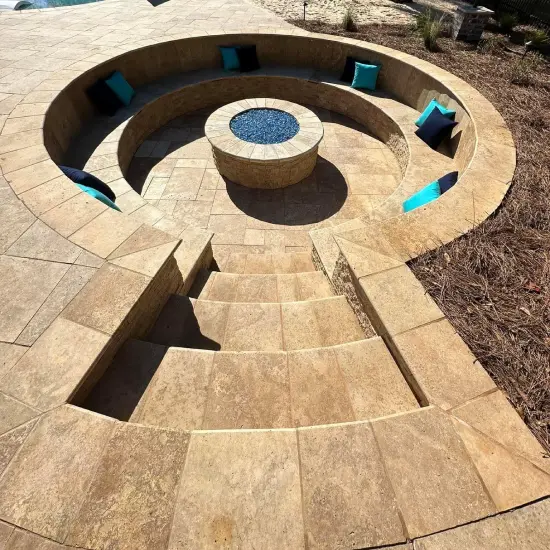
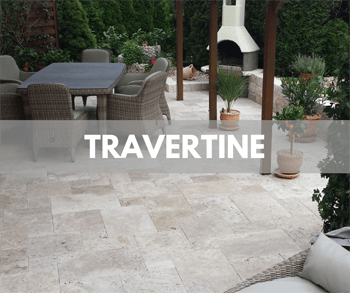
- Pavers — Thicker (30–40mm+), built for heavy-duty exteriors: pool surrounds, driveways, courtyards.
Many suppliers offer both in matching colours for seamless indoor-outdoor flow.
3. Is travertine slippery around pools? (Pool-Specific Advice)
This is the biggest worry for Aussie pool owners — and the answer depends on finish:
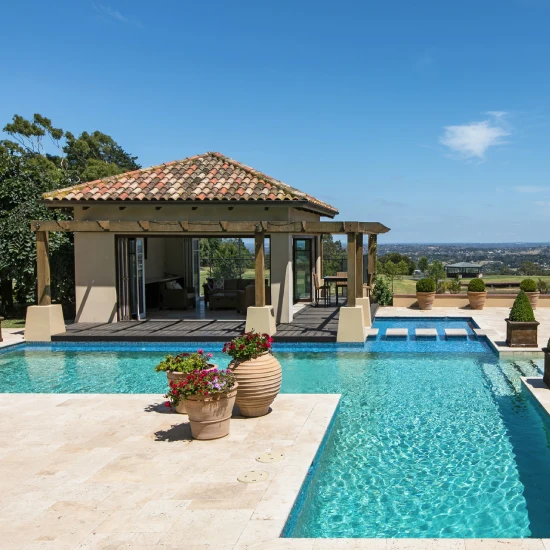
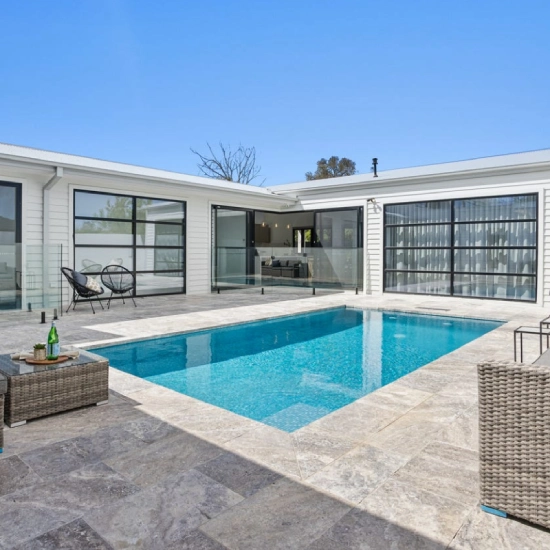
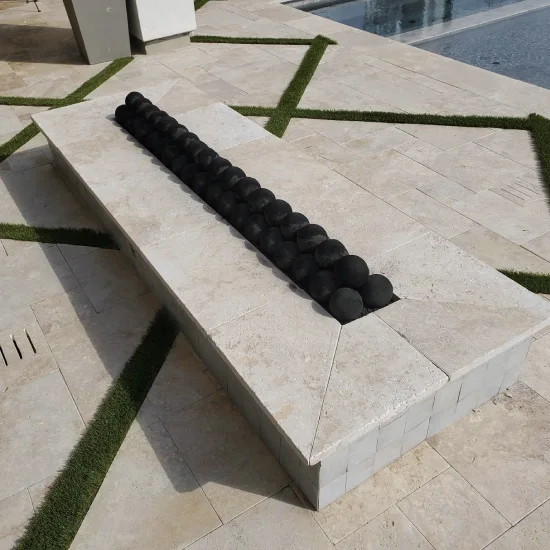
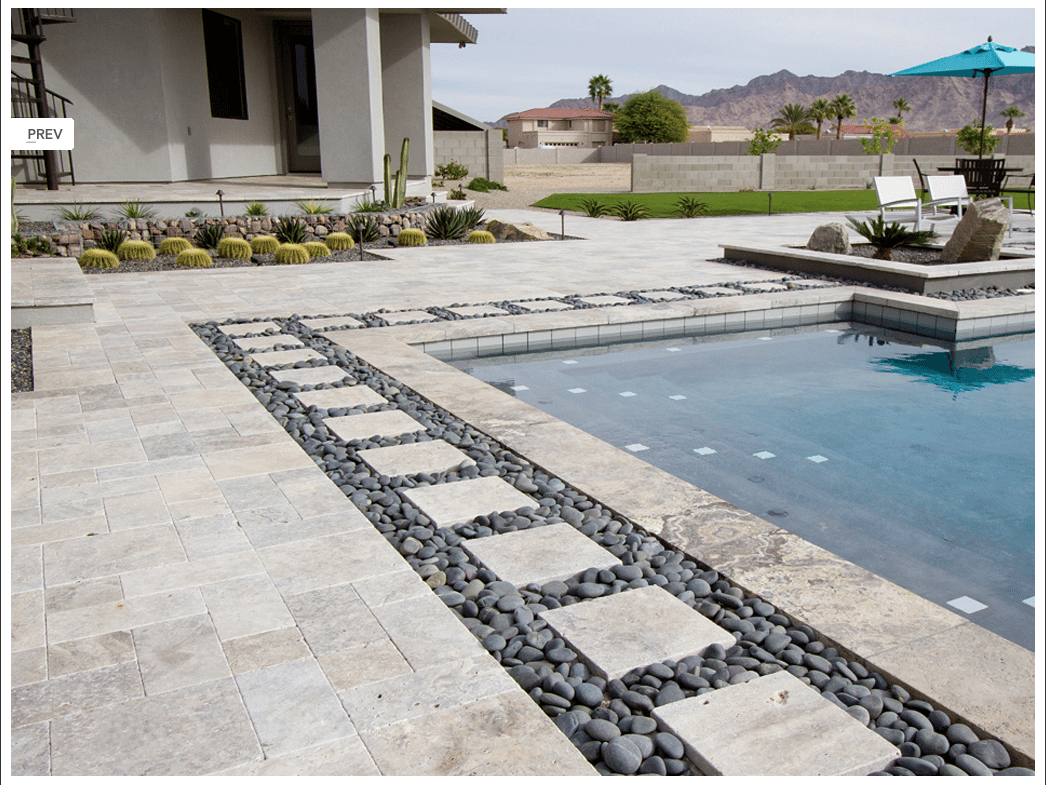
- Honed or brushed travertine: Excellent slip resistance (often P4–P5 rating when wet). Safe and popular for pool coping, decks, and surrounds.
- Tumbled travertine: Can get slippery when wet due to rounded edges — avoid for pools unless you add anti-slip treatments.
Pool tips:
Choose honed/filled travertine for maximum safety and easy cleaning.
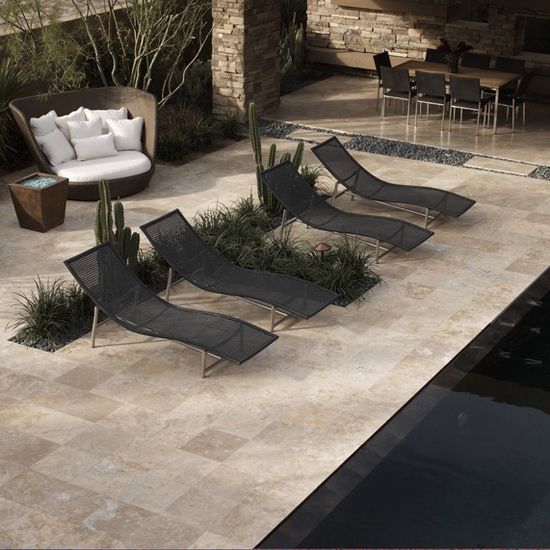
- It stays cool underfoot even in 40°C+ heat (much cooler than concrete or dark stones).
- Seal properly to prevent staining from chlorine/sunscreen.
- Popular choices: Ivory, Silver, or Tuscan shades for a clean, bright look.
4. Does travertine get too hot in Australian summers?
No — it’s one of the coolest natural stones available. Light colours reflect heat, and its natural porosity helps it dissipate warmth. Perfect for barefoot walking around pools or patios in hot states like QLD, WA, and SA.
5. How often should I seal travertine?
Always seal it — travertine is porous.
- Initial seal: Right after installation (once grout cures).
- Re-seal: Every 1–2 years in high-traffic/pool/coastal areas; every 2–3 years elsewhere.
- Use a quality penetrating/impregnating sealer to block stains, efflorescence, and salt damage.
6. What is efflorescence and how do I prevent it?
White powdery salt deposits from moisture pulling salts out of the stone/mortar. Common in humid or coastal areas.
Prevention:
- Good sub-base drainage
- Efflorescence-resistant grout
- Proper sealing
- Quick spill cleanup
7. How much do travertine tiles and pavers cost in Australia in 2026?
Prices vary by grade, finish, and supplier — but direct importers keep them competitive.
- Standard travertine tiles (12–20mm honed/filled): $49–$89/m²
- Premium/large format tiles: $69–$110/m²
- Travertine pavers (30–40mm): $90–$160/m²
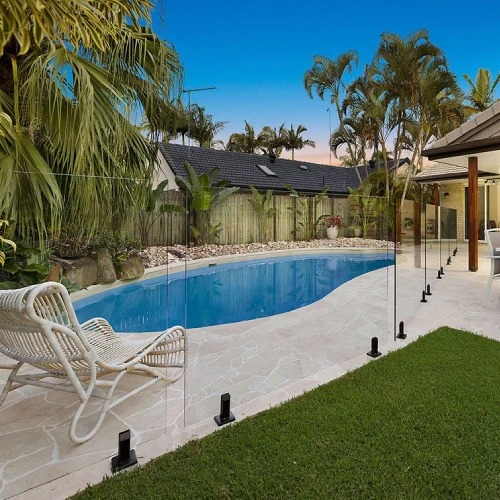
- Pool coping or crazy paving: Often $60–$130/m² on sale
Example: Ultra-premium Tuscan Travertine large format (800x400x20mm) can drop to ~$69/m² during sales. Always factor in installation (~$50–$100/m²) and sealing.
8. Can travertine be used indoors and outdoors?
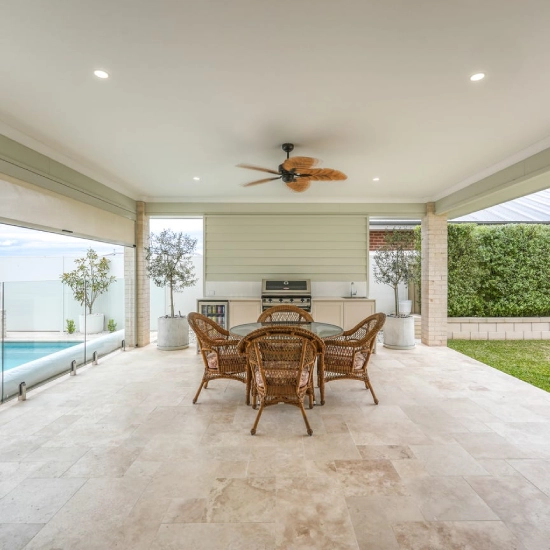
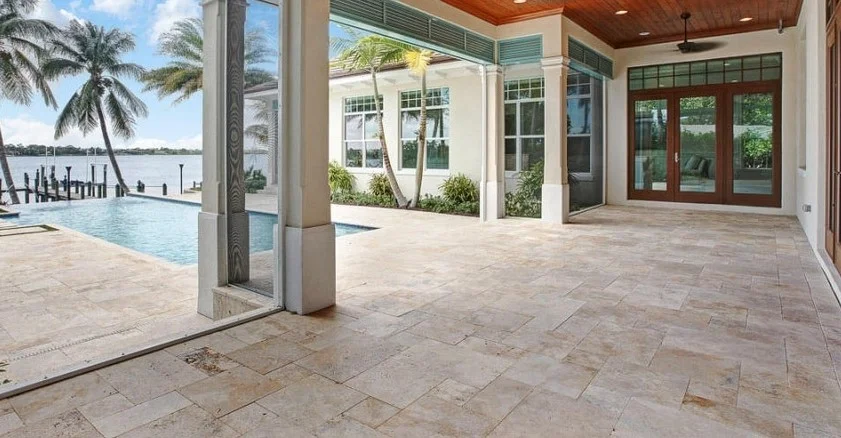
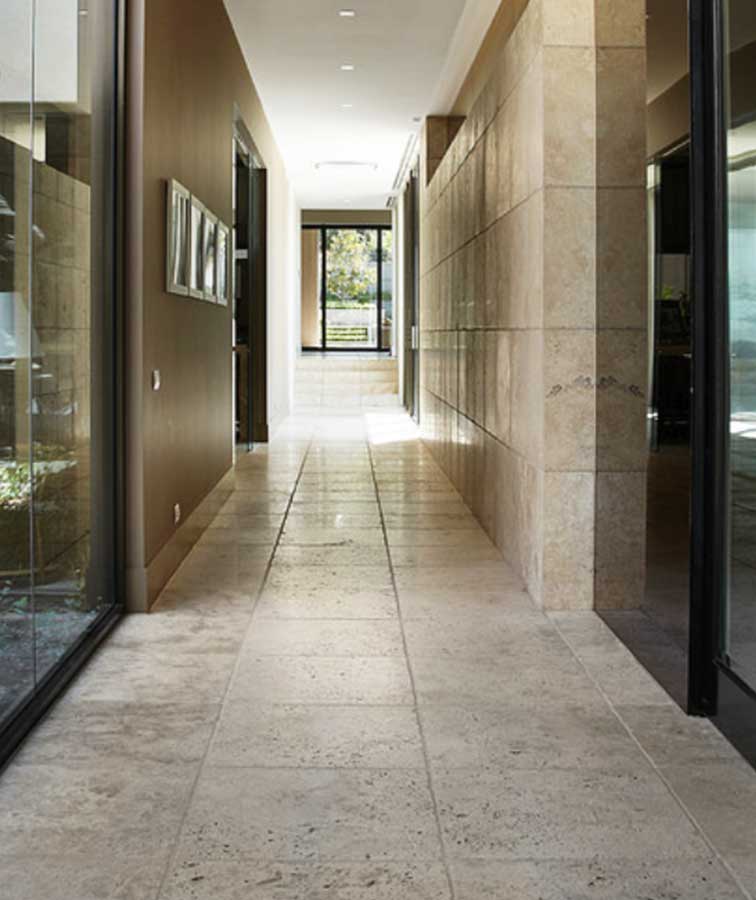
Yes — extremely versatile. Indoors for bathrooms/kitchens (warm, timeless feel); outdoors for pools, patios, alfresco areas. Matching tiles and pavers create beautiful transitions.
Yes — natural stone is non-combustible and complies well with BAL requirements (AS 3959). Check your local council for exact BAL rating and fixing methods.
10. Is travertine good for driveways?
Absolutely, especially 30mm+ pavers in durable grades. It handles vehicle weight and looks stunning (e.g., Noce or Tuscan for a classic driveway).
11. What are common drawbacks of travertine?
- Porous → needs sealing to avoid stains
- Can show efflorescence if not installed/sealed correctly
- Variation in colour/veining (natural beauty, but order samples!)
- Higher upfront cost than concrete, but lasts decades with minimal maintenance
12. How do I clean and maintain travertine long-term?
- Daily: Sweep + mop with pH-neutral stone cleaner (no acid/vinegar)
- Outdoor: Gentle hose or soft brush for dirt/algae
- Avoid: High-pressure washing, harsh chemicals, abrasive pads
- Mould in humid areas? Use stone-safe remover
Pro tip: Always request free courier samples to see exact colour/texture in your lighting — huge help for big decisions.
Looking for premium travertine at warehouse-direct prices?
👉 Check the full range: https://slatediscounts.com.au/travertine/tiles/
They offer Australia’s largest selection (Ivory, Silver, Tuscan, Noce, Antique, etc.), free express-posted samples, and door-to-door delivery nationwide — perfect for testing before you commit.