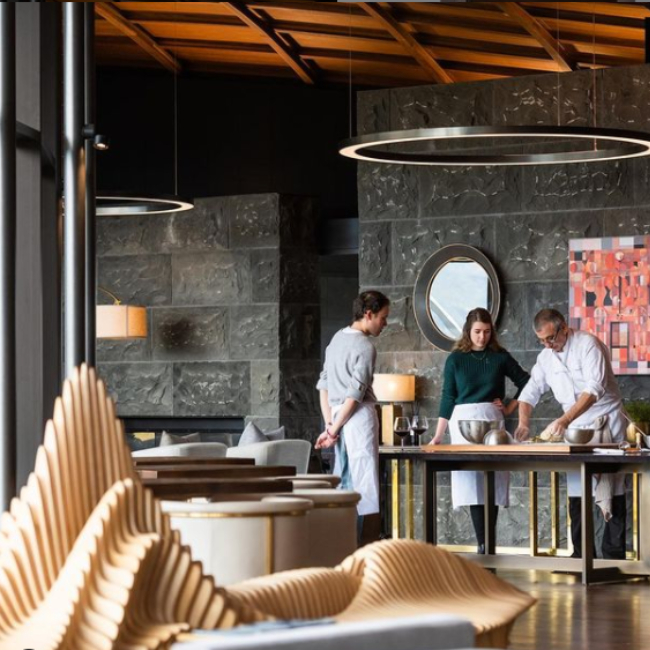


The Leading Trends in Melbourne Stonework Cladding for 2026
Glenn Russell - Master Stonemason
Experienced working in the industry for over 40 years.
Author
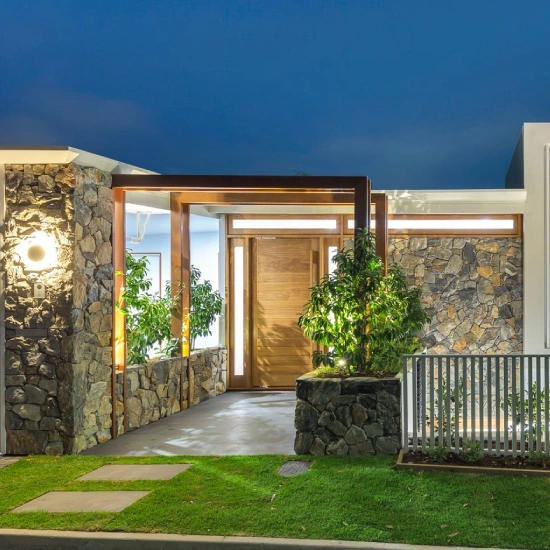
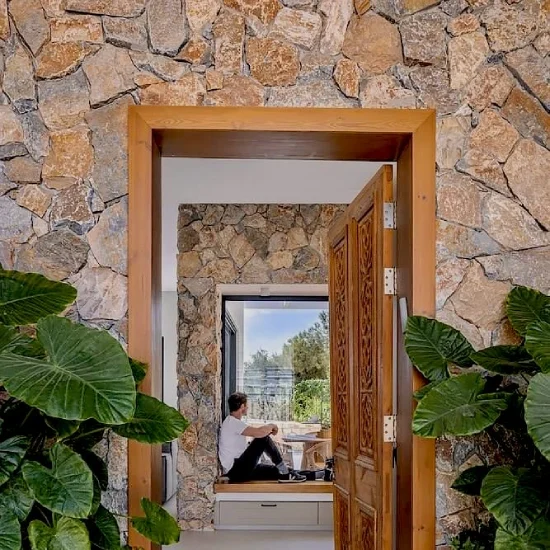
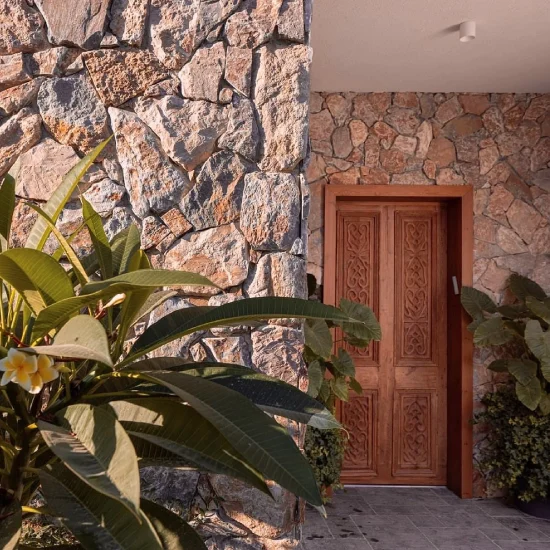
As we move through 2026, Melbourne’s architectural landscape continues to embrace the timeless beauty of natural materials. Homeowners and developers across Victoria are increasingly turning to stonework cladding to add texture, value, and a rugged elegance to both contemporary and traditional designs.
If you are looking to update your facade or create a stunning feature wall, here are the current trends dominating the Melbourne market this year.
1. The Rise of “Organic Brutalism” with Loose Stone
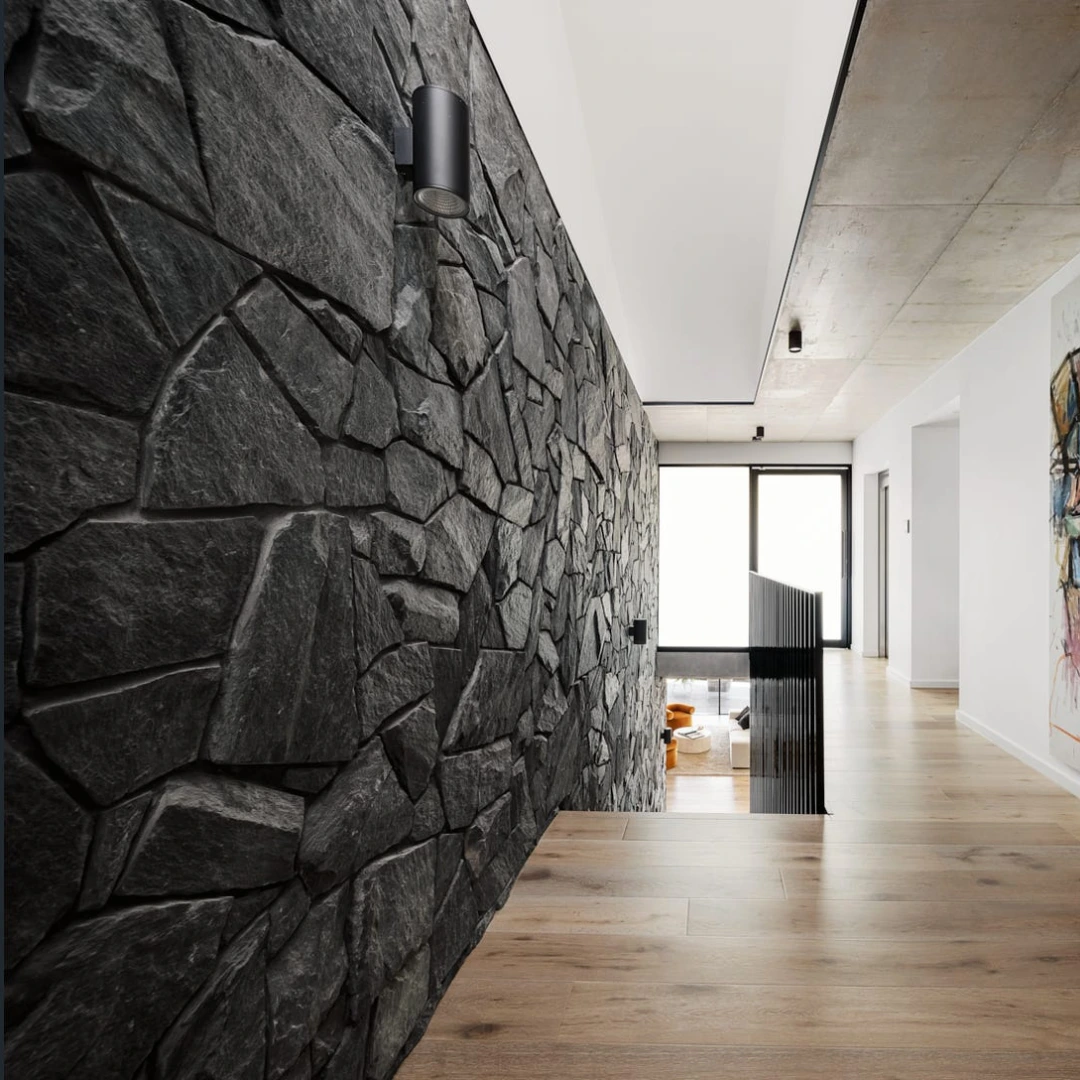
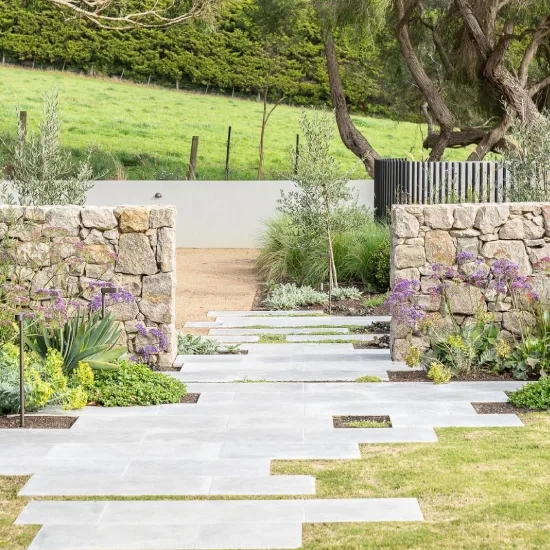
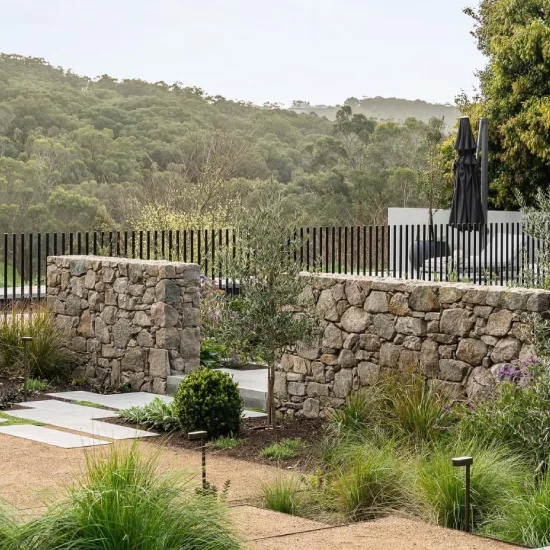
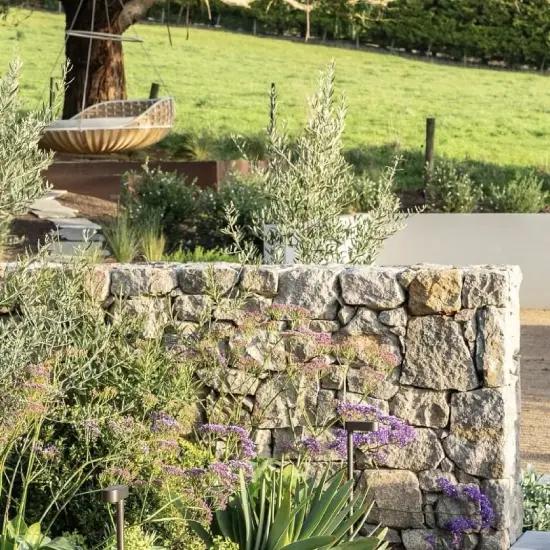
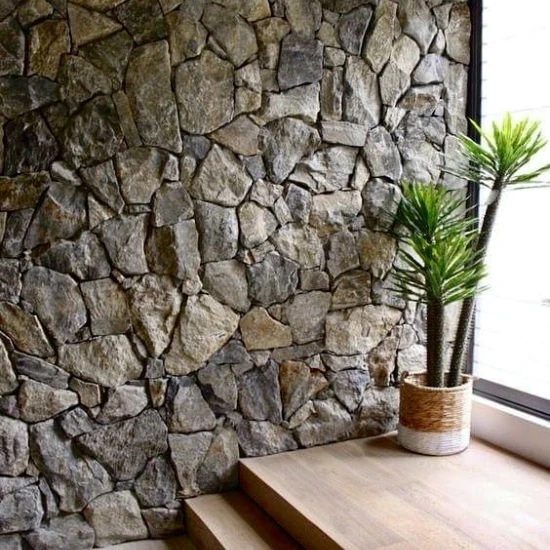
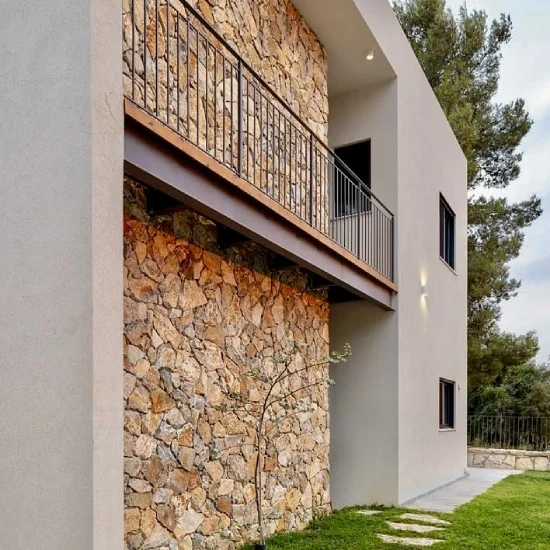
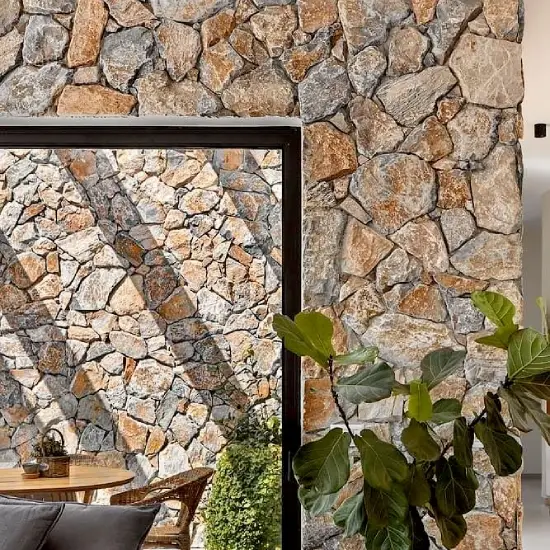
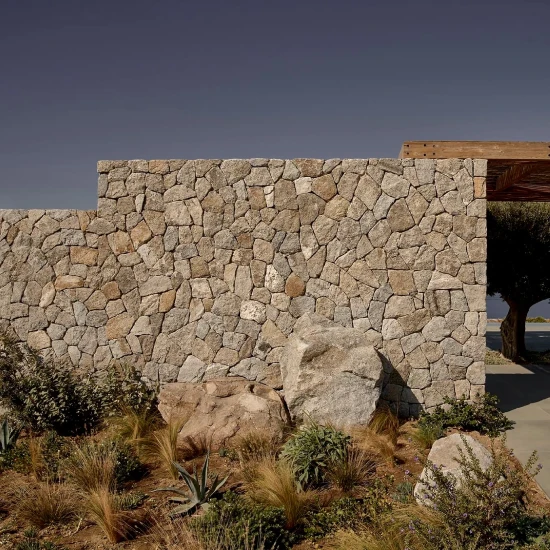
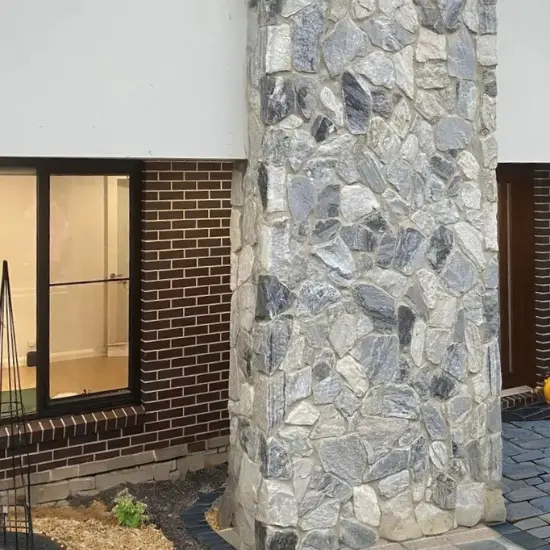
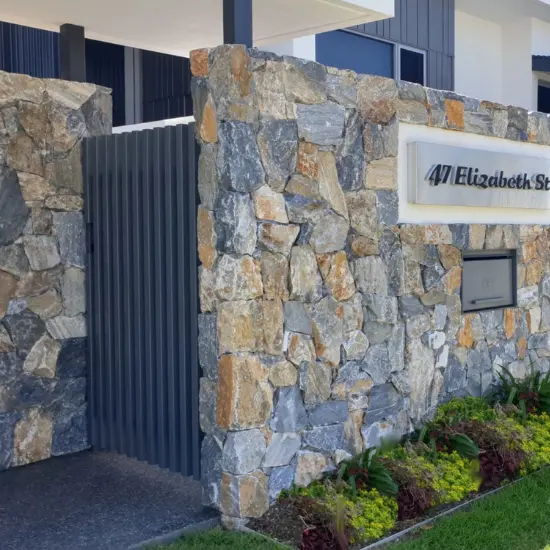
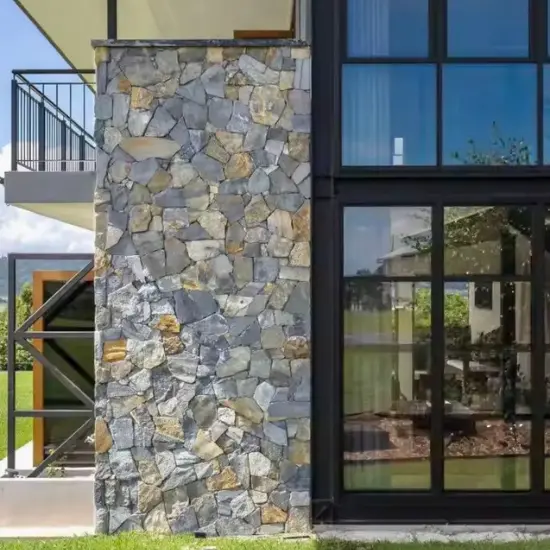
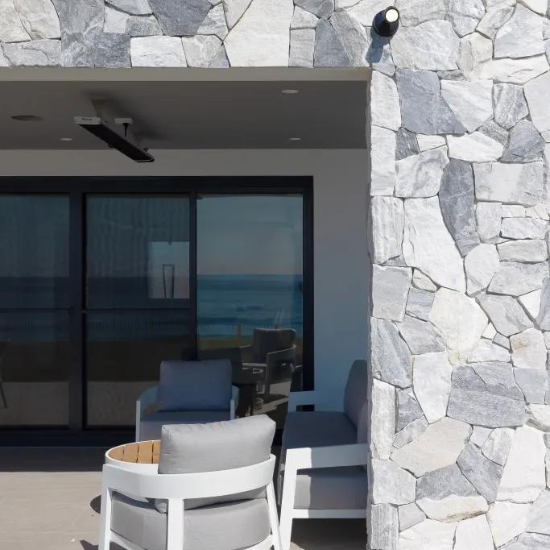
One of the most significant shifts this year is the move toward “Organic Brutalism”—blending raw, chunky textures with clean architectural lines. Loose stone wall cladding is the primary choice for this look.
Because these pieces are large (ranging from 200mm to 500mm in diameter) and vary in thickness (30mm to 50mm), they create a high-relief, authentic finish that looks like a structural dry-stack wall. For the best results in 2026, designers are opting for sawn-back pieces to ensure a flatter bond to the substrate while maintaining that classic, bulky face.
Installation Tip: This style is ideal for professional stonemasons or patient DIY enthusiasts. To ensure a seamless look, use one-piece L-shape wrap-around corners to hide any joins.
2. Linear Sophistication: Ledgestone Panels
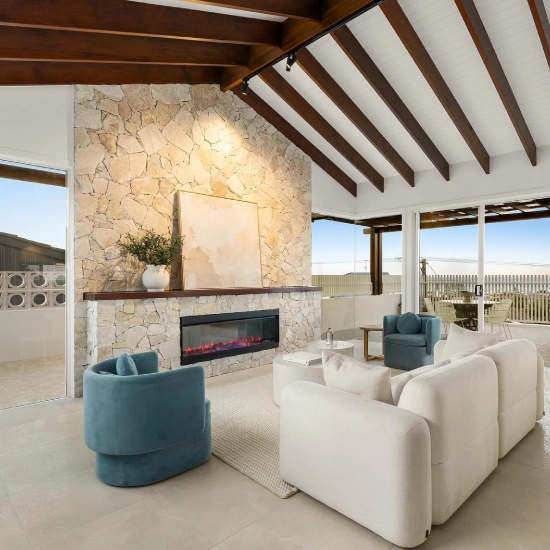
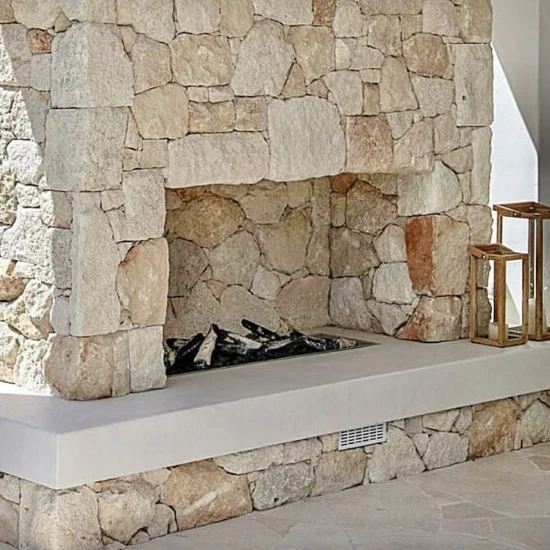
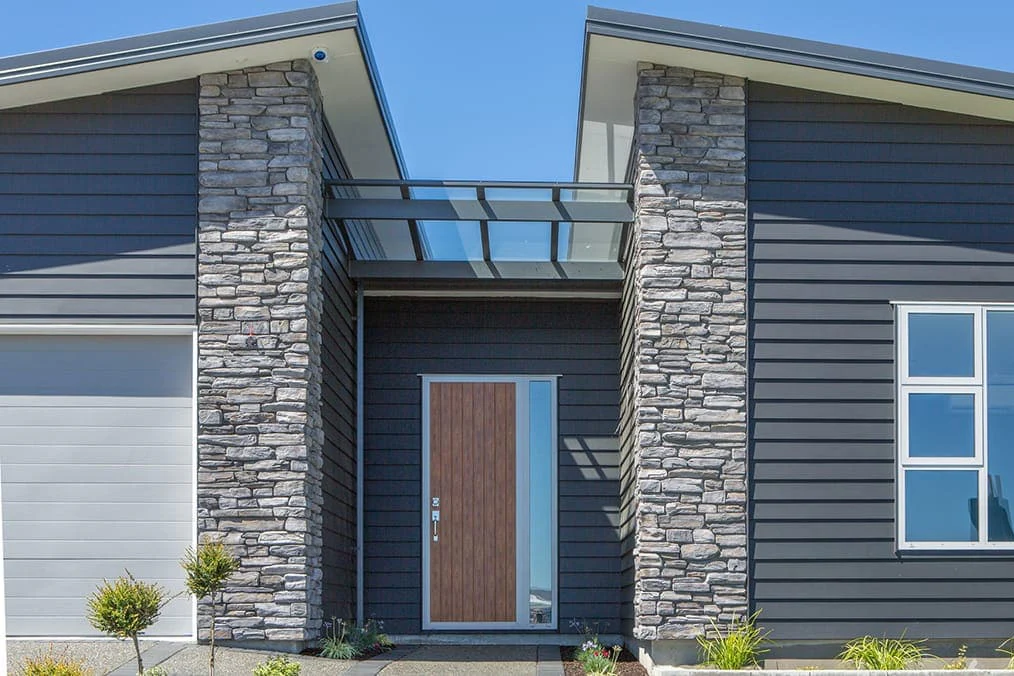
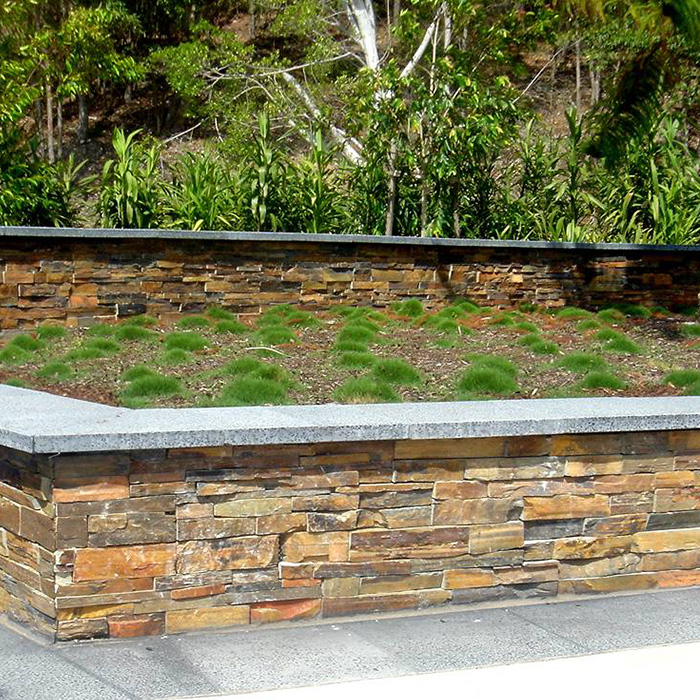
For those seeking a more structured, linear aesthetic, ledgestone panels remain a top trend for Melbourne pool surrounds and fireplace features. The 600mm x 200mm format offers a rugged, natural look but with the efficiency of a modular system.
The 2026 trend focuses on “seamless transitions,” where the stone flows from an outdoor water feature directly into an indoor living space. The availability of interlocking two-piece corners makes it a favorite for DIYers who want a professional-grade finish without the complexity of traditional masonry.
3. High-Depth 3D Surfaces
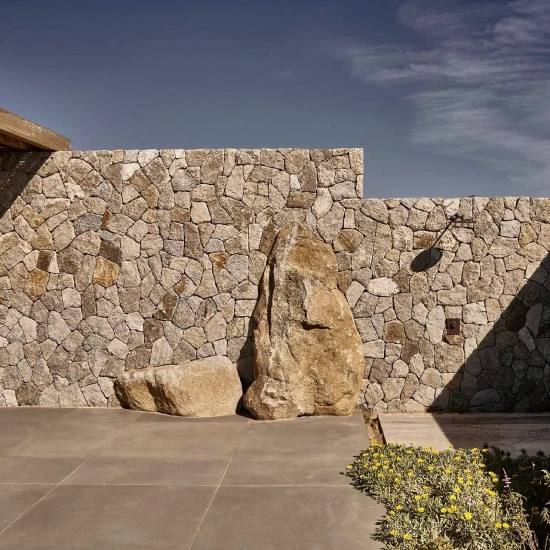
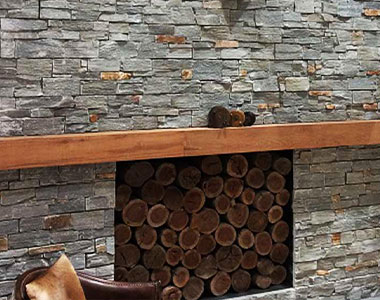
Texture is everything in 2026. Lightweight stackstone panels are being used extensively in Melbourne’s urban townhomes to create dramatic “3D” shadow effects. These panels are roughly 25mm thick, making them a practical choice for weight-sensitive areas or timber-framed walls. At a more accessible price point ($59–$79m2), they allow for large-scale applications, such as entire boundary walls, without breaking the budget.
4. The Flagstone “Crazy Paving” Wall
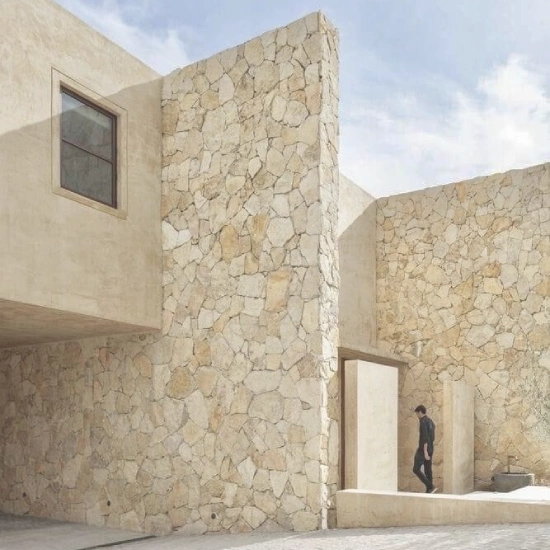
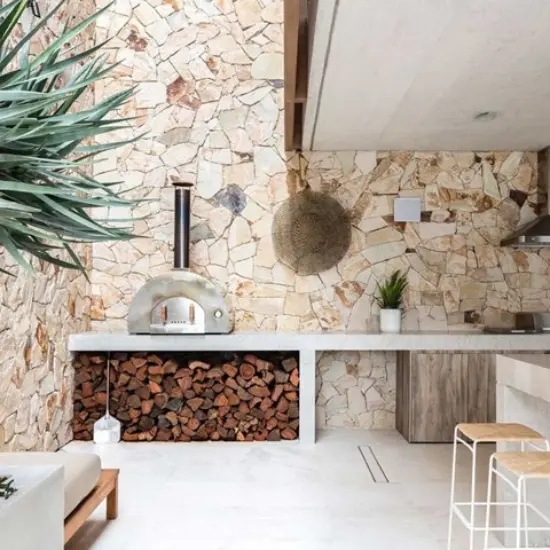
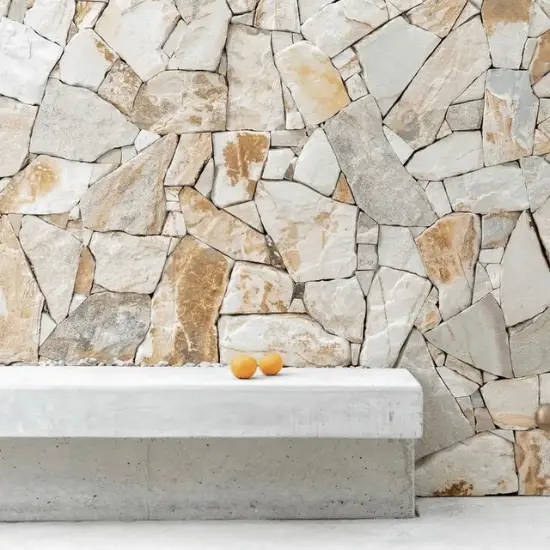
A nostalgic nod to mid-century modern design has brought flagstone for walls back into the spotlight. Usually calibrated to a 20mm thickness, flagstone offers a flatter, more painterly mosaic look compared to the chunky profile of loose stone.
While flagstone requires mitring for corners and a steady hand for installation, the result is a unique, artisanal surface that stands out from more common modular cladding. It’s particularly popular for internal feature walls and alfresco kitchen splashbacks.
Choosing Your Stone
When selecting your stonework cladding, consider the balance between the “DIY-ability” of the product and the final aesthetic. Whether you prefer the raw, oversized nature of loose stone or the sleek efficiency of stackstone panels, natural stone remains the gold standard for Melbourne property value and durability.
Quick Comparison for Melbourne Projects:
| Cladding Type | Best For | Installation Difficulty | Price Range |
| Loose Stone | Authentic, structural look | High (Professional recommended) | $79m2 |
| Ledgestone | Feature walls & Fireplaces | Low (Great for DIY) | $89 – $120m2 |
| Stackstone | 3D Texture & Budget-friendly | Very Low | $59 – $79m2 |
| Flagstone | Mid-century & Flat profiles | Moderate | $49 – $89m2 |