

Travertine Tiles and Pavers vs Limestone Pavers: Which Natural Stone is Best for Australian Outdoor Spaces in 2026?
Glenn Russell - Master Stonemason
Experienced working in the industry for over 40 years.
Author
Lets begin our comparison
Travertine and limestone are both premium sedimentary natural stones widely used for patios, pool surrounds, and driveways across Australia. While travertine is formed by mineral springs and features a textured, porous surface, limestone is denser and formed under greater pressure. At Stone & Slate Discounts, with over 35 years supplying Australia’s largest range of natural stone, we help customers choose the right material daily based on climate, traffic, and style.
Formation and Characteristics
- Travertine: Lightweight, warm tones (ivory, beige, gold), naturally pitted surface.
- Limestone: Denser, smoother options, wider colour range including creams, greys, and blues.
Full Comparison Table
| Criteria | Travertine | Limestone | Winner / Best For |
| Durability & Hardness | Good – slightly softer | Excellent – slightly denser & harder | High-traffic (Limestone) but you could just toss a coin |
| Porosity | Slightly Higher – requires regular sealing | Lower – more stain resistant | Low maintenance (Limestone) |
| Maintenance | Moderate to high – sealing 2–4 years | Moderate – sealing every 2–4 years | Limestone or Travertine |
| Slip Resistance | Outstanding – naturally textured P5 | Good (better when sandblasted) | Pool areas (Travertine) |
| Heat Underfoot | Stays cooler | Can retain more heat | Hot climates (Travertine) |
| Aesthetics | Rustic, Mediterranean, organic variation | Sleek, uniform, modern or classic | Style preference |
| Colour Stability | Develops attractive patina | Excellent – minimal fading | Consistency (Limestone) |
| Weight | Lighter, easier to handle | Heavier | Installation ease (Travertine) |
| Cost per m² | Generally more affordable | Slightly higher | Budget (Travertine) |
| Lifespan | 50–100+ years with care | 50–100+ years | Longevity Both |
| Best Australian Climates | Hot & dry (QLD, NSW, WA) | Versatile, cooler/drier regions | Climate match |
Pros & Cons
Travertine Pros: Excellent natural slip resistance, cooler surface in summer, beautiful warm tones, great value.
Travertine Cons: More porous, needs diligent sealing, softer material.
Limestone Pros: Denser & more durable, lower porosity, elegant smooth finish, strong weather resistance.
Limestone Cons: Can feel hotter, less natural grip unless textured.
FAQs
Q: Which is better for pool surrounds in Queensland?
A: Travertine is usually preferred for its natural slip resistance and cooler feel.
Q: Do both stones need sealing?
A: Yes. Travertine will require slightly more frequent sealing due to its slightly higher porosity.
Q: Can I use them indoors?
A: Absolutely – both work well for indoor/outdoor transitions.
Q: Which is cheaper?
A: Travertine is generally more affordable per m².
Q: How long do they last?
A: With proper care, 50–100+ years for travertine and 50–100+ for limestone.
Best Use Cases in Australia
- Travertine: Pool surrounds, patios in hot climates, Mediterranean/coastal homes.
- Limestone: Driveways, high-traffic areas, formal gardens, cooler southern states.
- Hybrid: Travertine around pools + limestone on pathways.
Installation & Care Tips Install on a solid compacted base with adequate drainage. Use flexible adhesive and grout suitable for natural stone. Apply a quality penetrating sealer (reapply as recommended). Filled travertine is easier to maintain.
So which one is better?
Both stones offer timeless beauty, but the best choice depends on your priorities — comfort and slip resistance (travertine) or maximum durability (limestone). At Stone & Slate Discounts we stock premium ranges of both at Australia’s most competitive prices and offer free samples so you can compare them at home.
Browse our Travertine Tiles & Pavers and Limestone Pavers or visit our Melbourne showroom.
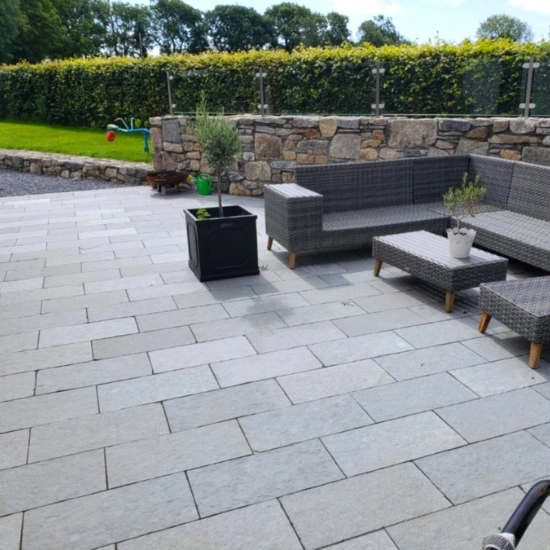
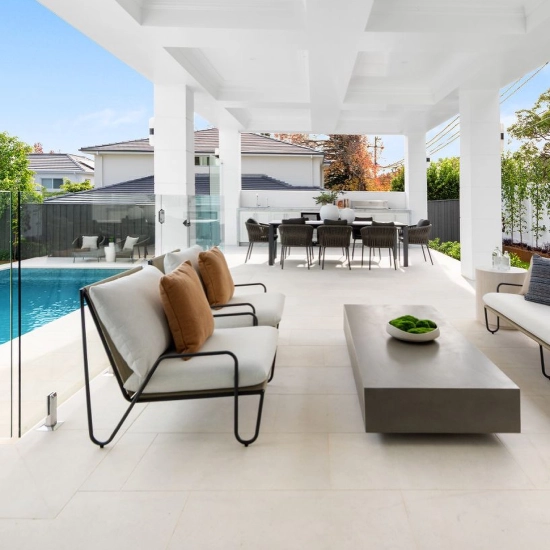
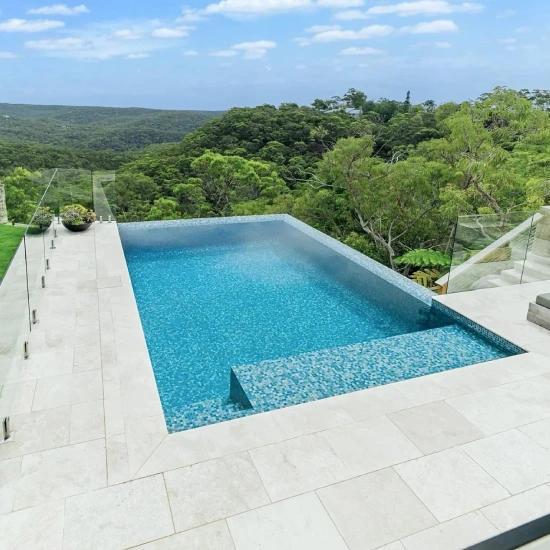
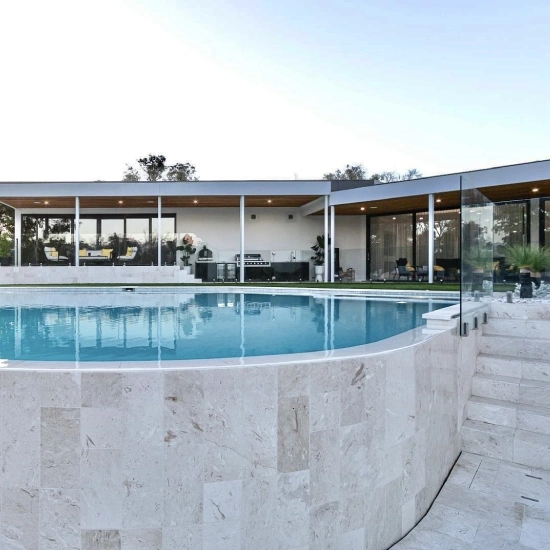
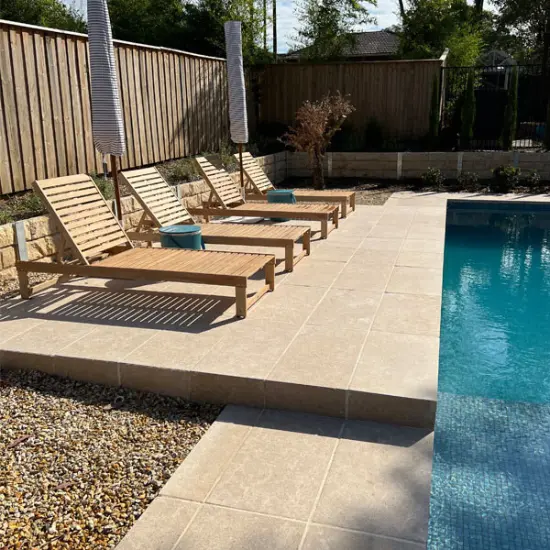
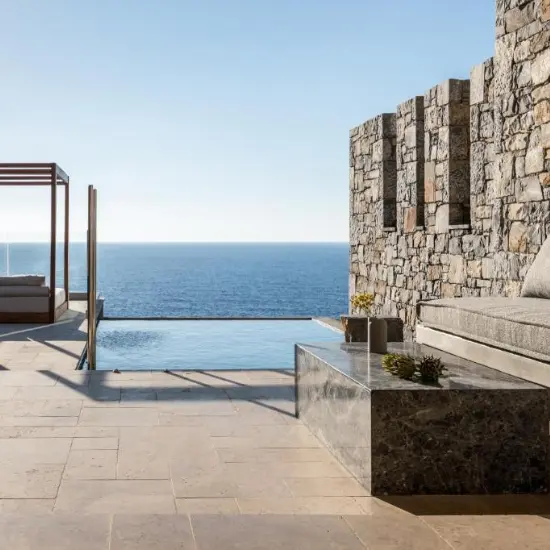
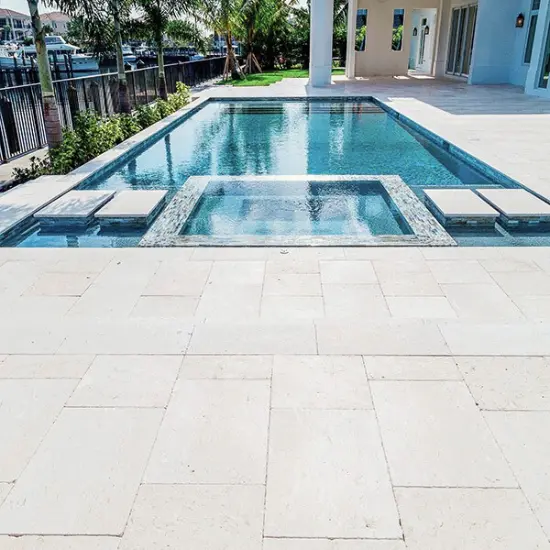
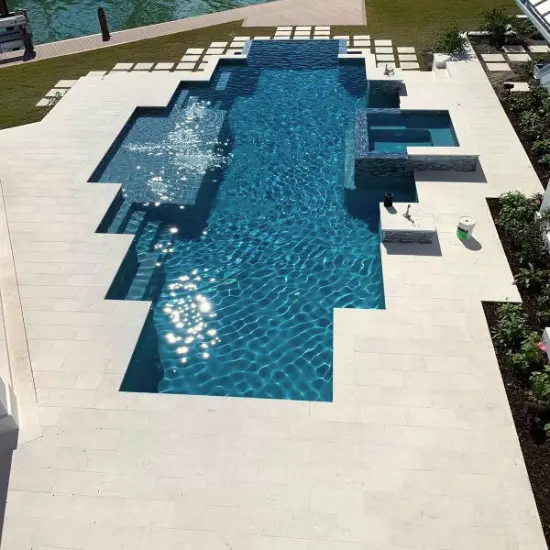
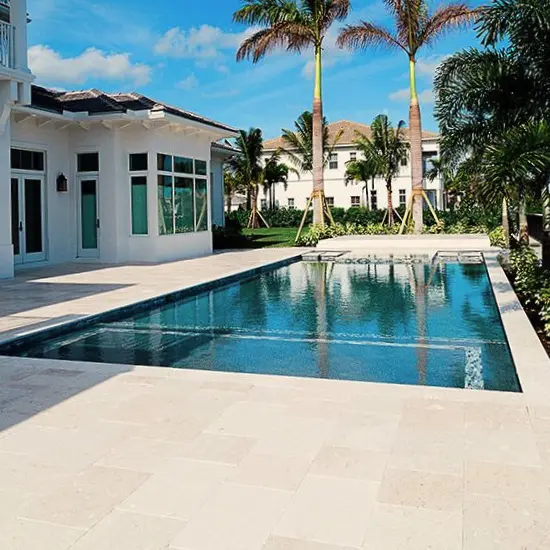
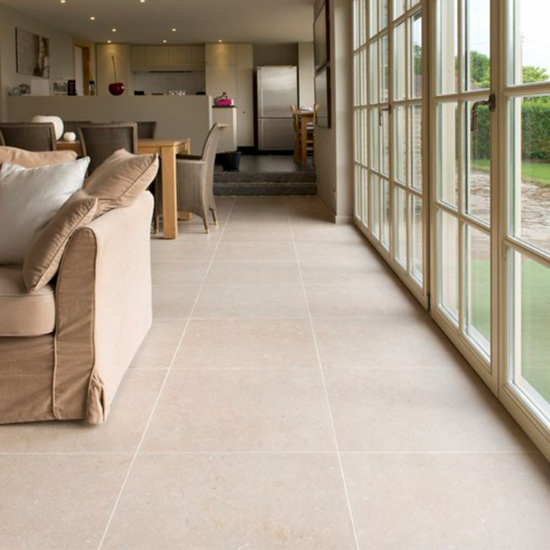
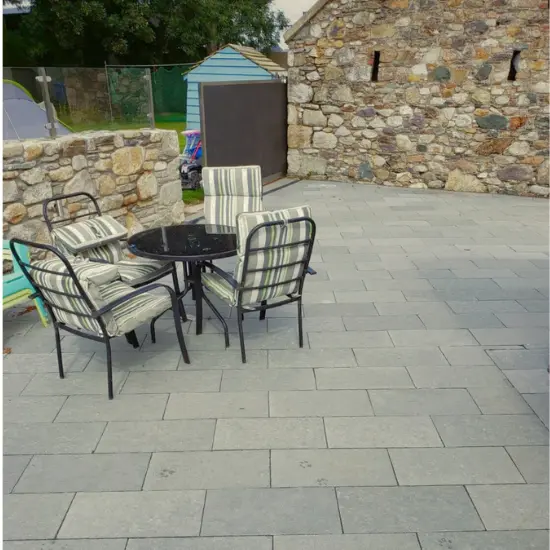
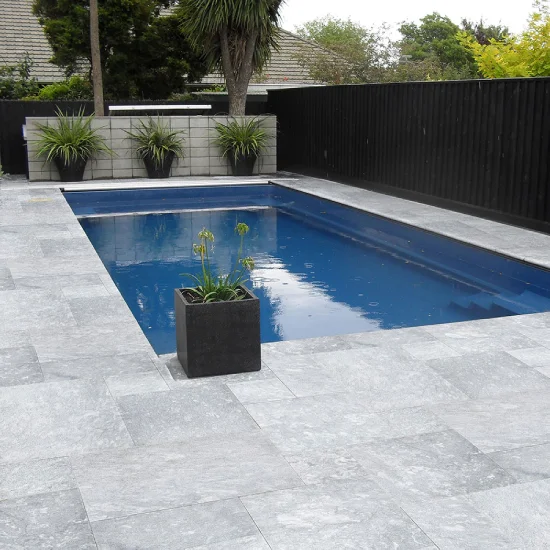
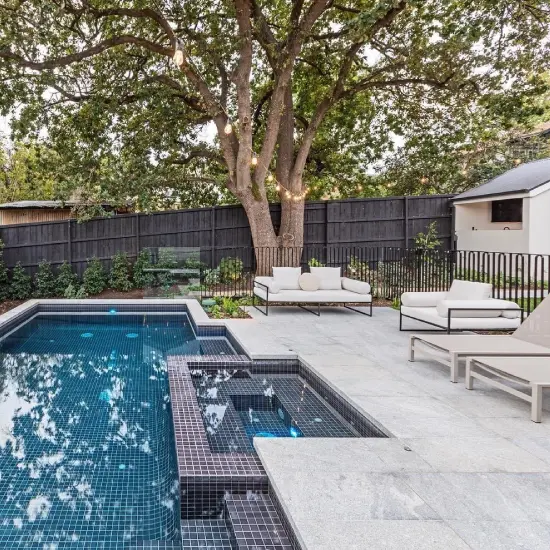
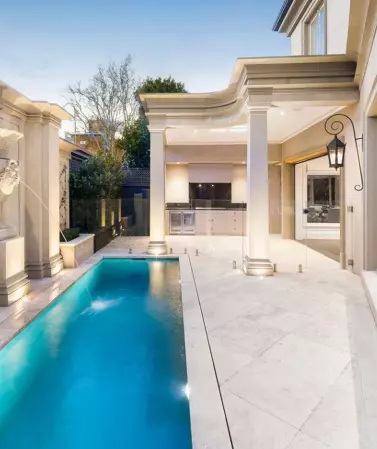
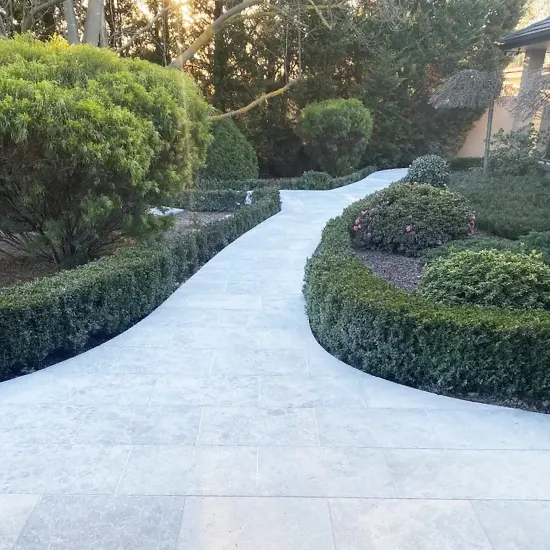
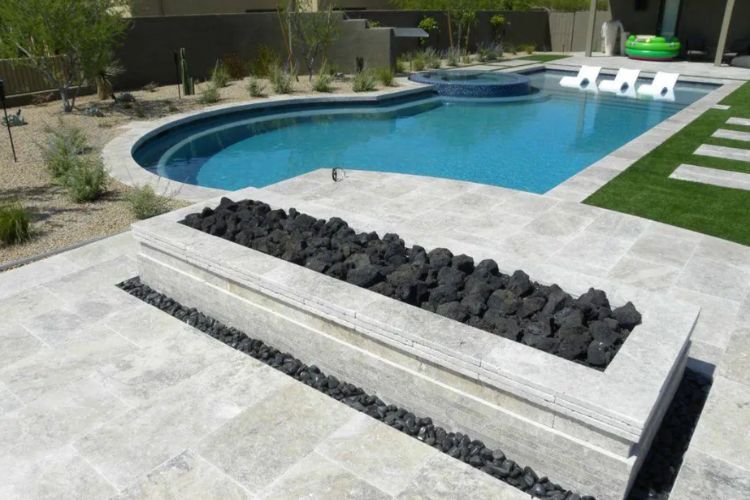
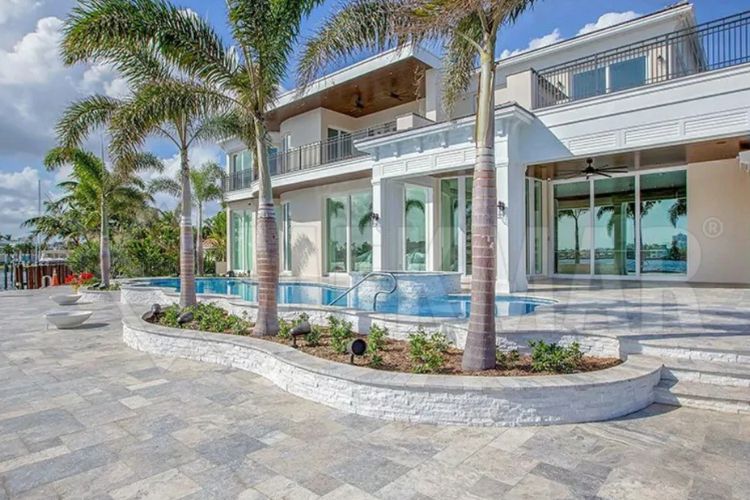
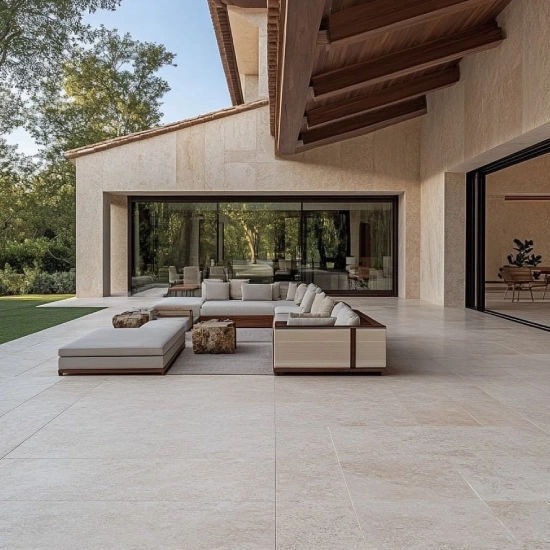
Get Inspired by Travertine and Limestone Installation Images
View Our Stone Comparison Series of Articles Below
Compare Bluestone to Granite | Compare Travertine to Sandstone | Compare Travertine to Limestone | Compare Sandstone to Limestone | Compare Natural Stone to Porcelain | Compare Natural Stone to Manufactured Pavers | Compare Stone Pavers to Concreate Pavers | Compare Granite to Limestone | Compare Sandstone to Bluestone | Compare Travertine to Bluestone