

Travertine vs Sandstone Pavers and Tiles: Which Natural Stone is Best for Australian Outdoor Spaces in 2026?
Glenn Russell - Master Stonemason
Experienced working in the industry for over 40 years.
Author
Lets start the comparison
Travertine and sandstone are two popular natural stones for Australian patios, pool surrounds, and garden paths. Travertine, formed by mineral springs, offers a luxurious, textured Mediterranean look with excellent slip resistance. Sandstone, a sedimentary stone, provides warm earthy tones and a naturally rugged feel. At Stone & Slate Discounts, with over 35 years as Australia’s leading direct importer of premium natural stone, we stock extensive ranges of both and guide customers on the best choice for their specific needs, climate, and lifestyle.
Formation and Material Properties
- Travertine: A form of limestone created by rapid precipitation from mineral-rich hot springs. It features characteristic holes/pits (which can be filled or left unfilled), warm neutral tones (ivory, beige, gold, silver), and a relatively soft but durable structure.
- Sandstone: Formed from cemented sand grains over millions of years. It has a granular texture with warm colours (cream, gold, brown, red) and varies in density depending on the quarry source.
Full Comparison Table
| Criteria | Travertine Pavers | Sandstone Pavers | Winner / Best For |
| Durability & Hardness | Good (Mohs ~6–7); slightly harder but even denser when filled | Good to excellent (Mohs 5–7); hard but variable density | High traffic (Travertine) |
| Porosity | Low – may require sealing | Moderate to high – porous varieties absorb more water | Low maintenance (Travertine when filled) |
| Maintenance | Moderate – sealing every 2–4 years | Moderate to higher – regular sealing essential | Travertine (filled external) |
| Slip Resistance | Outstanding – naturally textured/grippy when wet P5 | Excellent when naturally textured P5 | Pool surrounds (Travertine) |
| Heat Underfoot | Stays noticeably cooler | Can get warmer in full sun | Hot Australian summers (Travertine) |
| Aesthetics | Rustic, luxurious, Mediterranean resort feel | Warm, earthy, natural Australian bush/outback look | Style preference |
| Colour Stability | Very good – develops attractive patina | Good – can fade slightly over time if unsealed | Travertine |
| Weight | Lighter to moderate | Moderate to heavy | Easier handling (Travertine) |
| Cost per m² (approx.) | Mid to premium | Generally more affordable | Budget (Sandstone) |
| Lifespan | 40–80+ years with proper care | 30–50+ years with sealing | Longevity (Travertine) |
| Best Australian Climates | Hot & humid (QLD, northern NSW, WA) | Versatile, drier & temperate regions | Climate match |
| Mould Resistance | Better when properly sealed | Higher risk in constantly damp areas | Pool areas (Travertine) |
Detailed Pros & Cons
Travertine Pros:
- Superior natural slip resistance and cooler surface – ideal for barefoot pool and entertaining areas.
- Beautiful warm tones and organic texture create a luxurious resort-style feel.
- Fills well for smoother maintenance while retaining character.
- Performs excellently in hot Australian summers.
Travertine Cons:
- Can be more porous than some imported sandstones– may require diligent sealing to prevent staining.
- Slightly lower non slip rating than sandstone, though both are classified as P5.
- Higher upfront cost for premium filled grades.
Sandstone Pros:
- Harder and often more affordable while still offering great durability dependent on origins of the stone. Imported sandstone generally harder than local sandstone.
- Warm, natural Australian colour palette that blends beautifully with local landscapes.
- Naturally textured for good grip.
- Excellent for larger patio and garden projects on a budget.
Sandstone Cons:
- Can be more prone to mould in persistently damp or shaded pool areas if not sealed well.
- Higher porosity in some varieties leads to greater water absorption.
- Will require more frequent maintenance in wet climates.
Best Use Cases in Australia
- Choose Travertine for: Pool surrounds, outdoor entertaining areas, Mediterranean or coastal-style homes, hot/humid climates where foot comfort and slip resistance are priorities.
- Choose Sandstone for: Garden paths, patios, alfresco dining areas away from constant water, drier inland or temperate regions, projects seeking warm earthy aesthetics and value.
- Hybrid Approach: Use travertine around the pool and sandstone for connecting pathways or garden zones for the best combination of performance and style.
Installation & Care Tips Both stones perform best when installed on a well-compacted base with proper drainage. Use flexible adhesives and grouts designed for natural stone. Professional installation is strongly recommended. Apply a high-quality penetrating sealer on installation and reapply every 1–3 years depending on exposure and traffic. Clean with pH-neutral cleaners and avoid harsh chemicals or high-pressure washing on travertine. Filled travertine is significantly easier to maintain long-term.
Conclusion & Recommendation Travertine excels in wet areas and hot climates with its luxurious feel and natural cooling/slip properties, while sandstone offers harder-wearing performance and beautiful warm tones at a more accessible price for general outdoor use. The best choice depends on your traffic levels, proximity to water, climate, and desired aesthetic.
At Stone & Slate Discounts we stock Australia’s largest and most competitive range of premium travertine tiles and pavers and sandstone pavers, with direct import pricing and quality guarantees. We offer completely free samples delivered Australia-wide so you can compare colours, textures, and finishes in your own environment.
Our expert team and master stonemasons are available for personalised advice on the best finish, layout, and installation for your project.
Ready to choose? Browse our Travertine pavers & tiles collection and Sandstone pavers today. Visit our Melbourne showroom or contact us for unbeatable prices and expert recommendations.
FAQs
Q: Which is better for pool surrounds?
A: Travertine is generally preferred due to its superior slip resistance and lower risk of mould in damp conditions when properly sealed.
Q: Does sandstone need more maintenance than travertine?
A: Sandstone can require slightly more frequent sealing, especially in wet or shaded areas, due to higher porosity in many varieties.
Q: Which stays cooler underfoot in summer?
A: Travertine typically performs better and feels cooler thanks to its structure.
Q: Can I mix travertine and sandstone in one project?
A: Yes – many Australian homes successfully combine them for contrast and functionality (e.g., travertine by the pool, sandstone on patios).
Q: Which is more durable long-term?
A: Both are highly durable with proper care, but travertine’s higher hardness and lesser porosity gives it an edge in heavy-traffic areas.
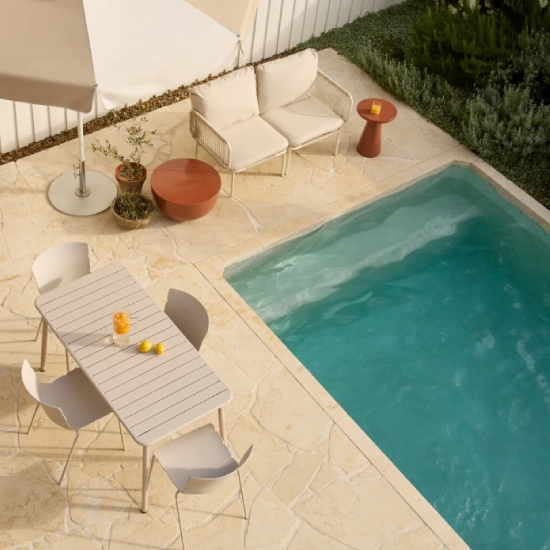
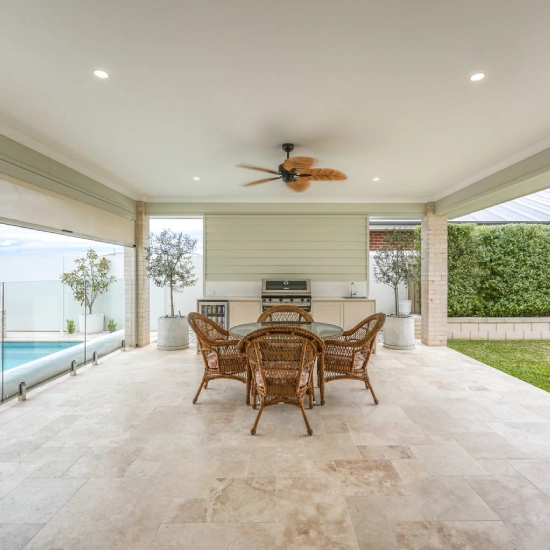
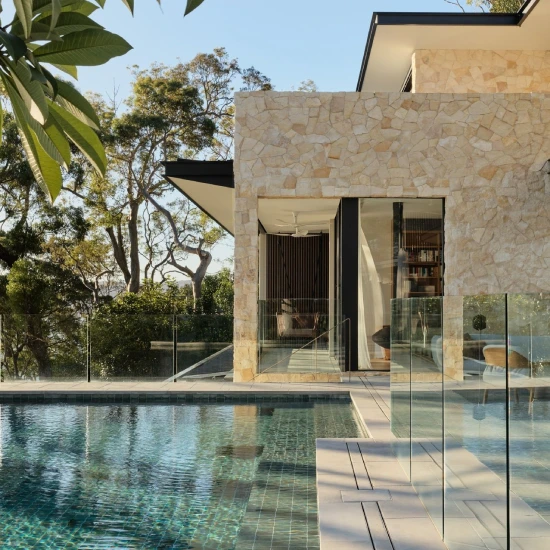
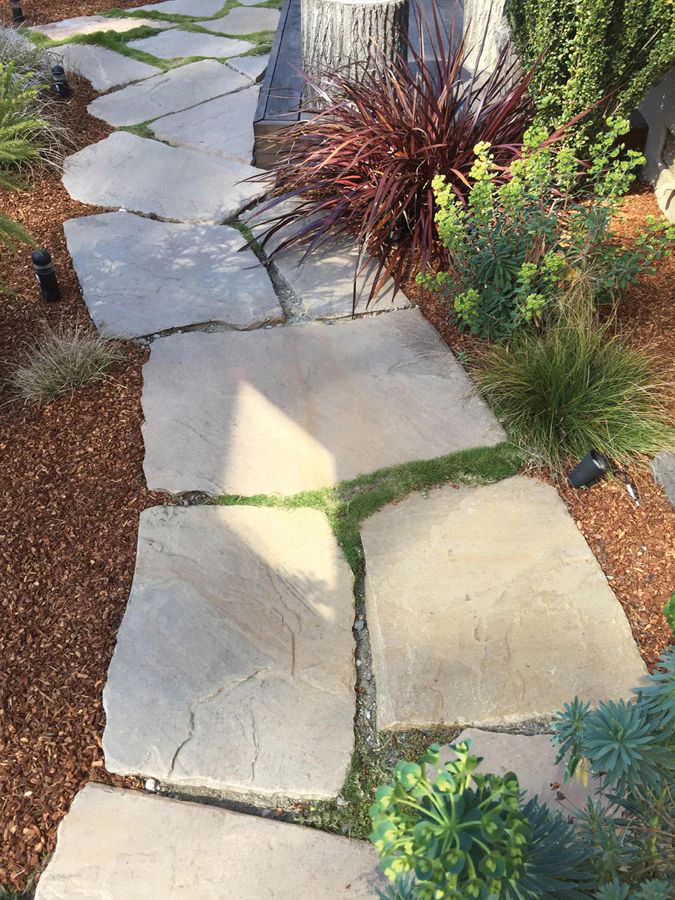
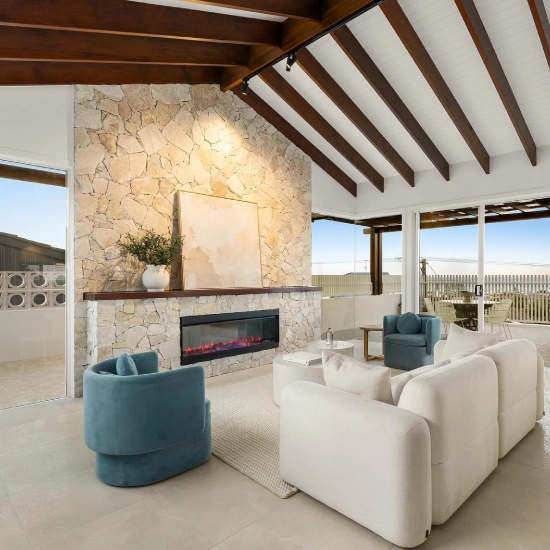
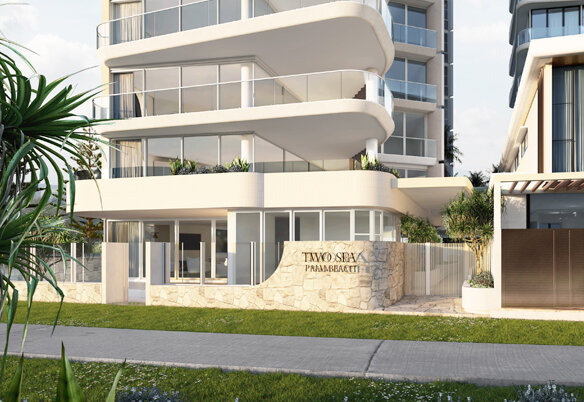
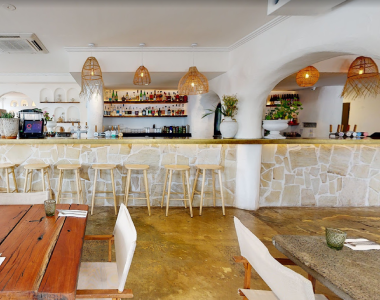
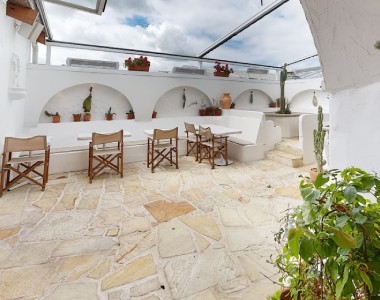
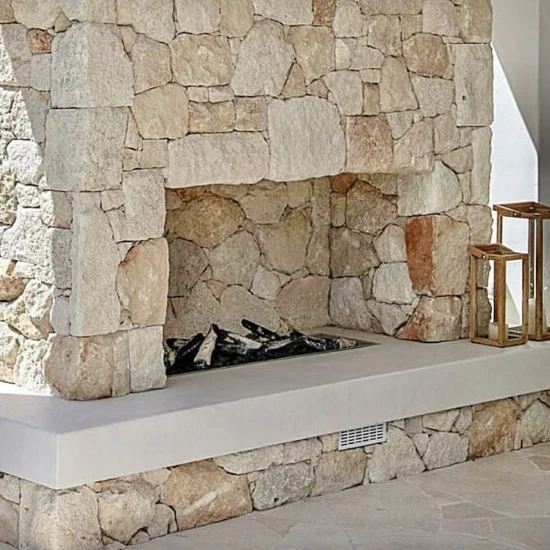
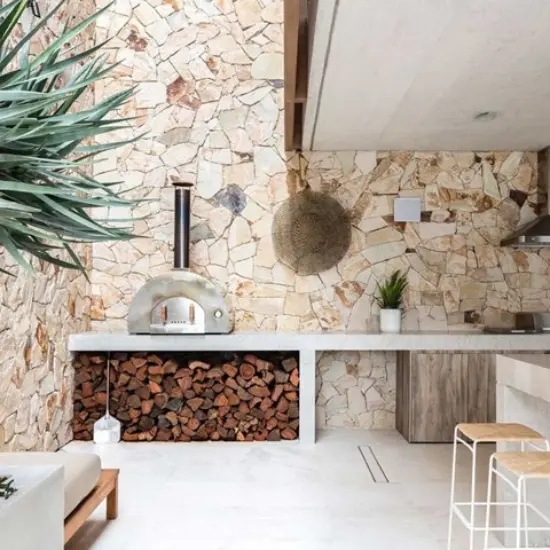
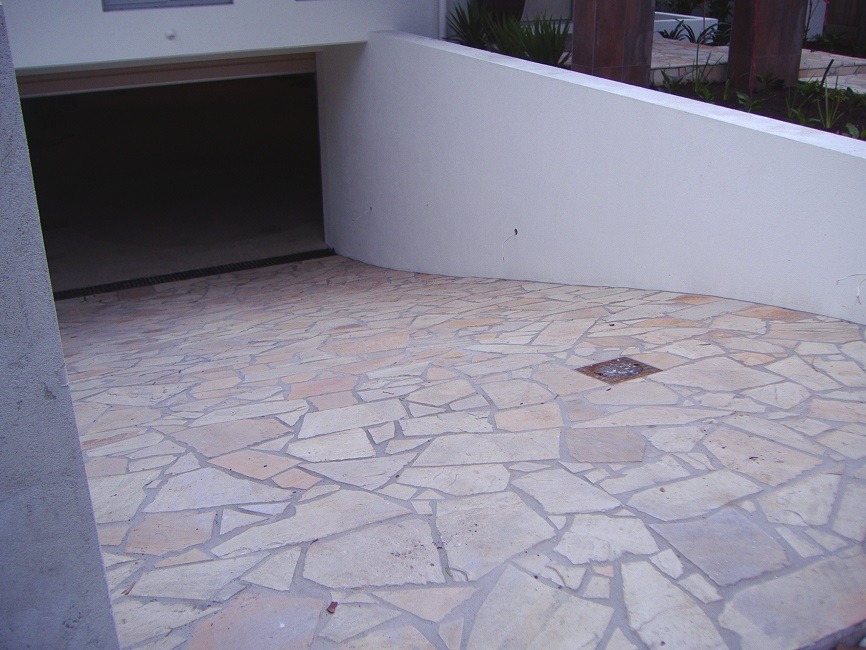
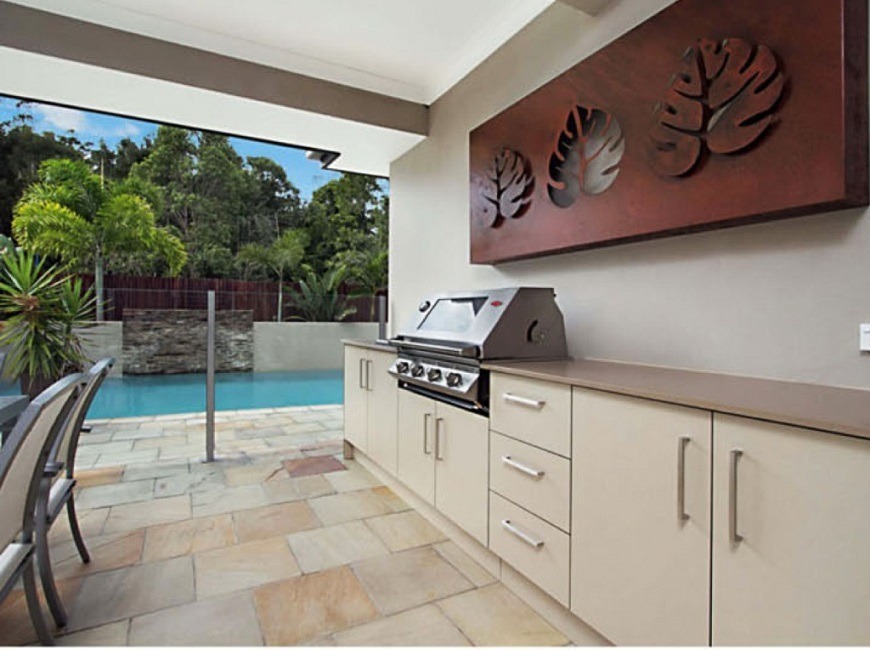
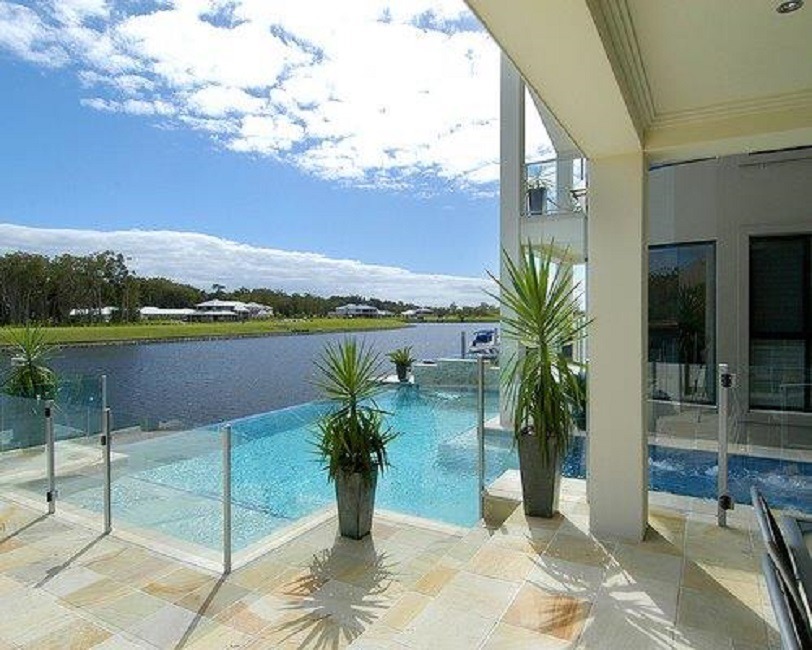
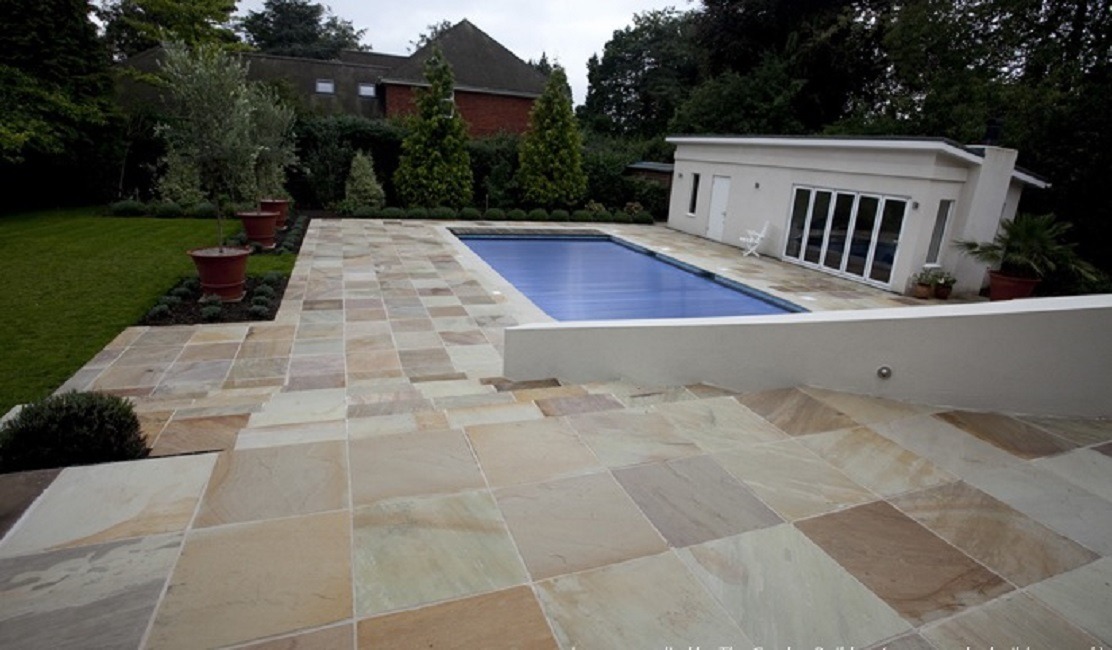
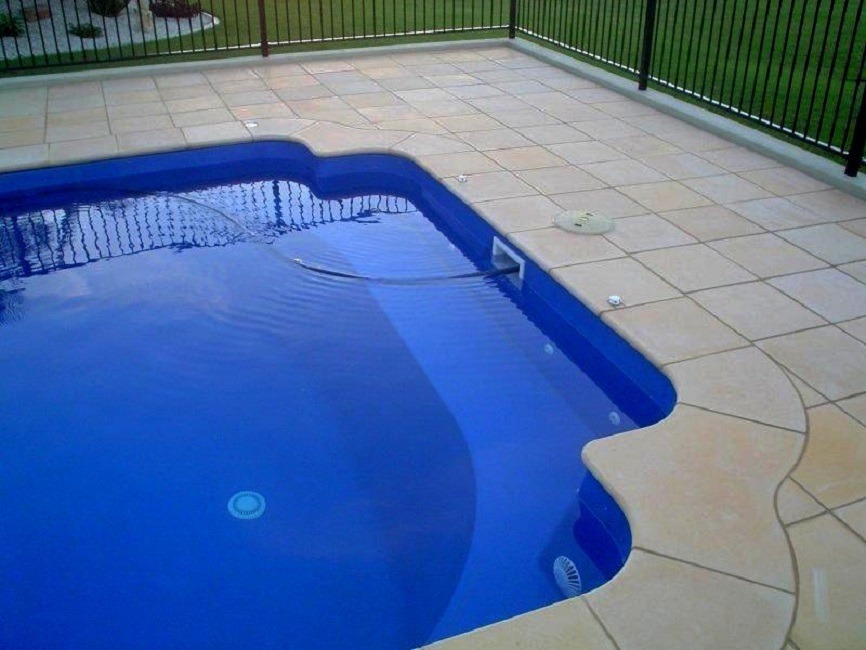
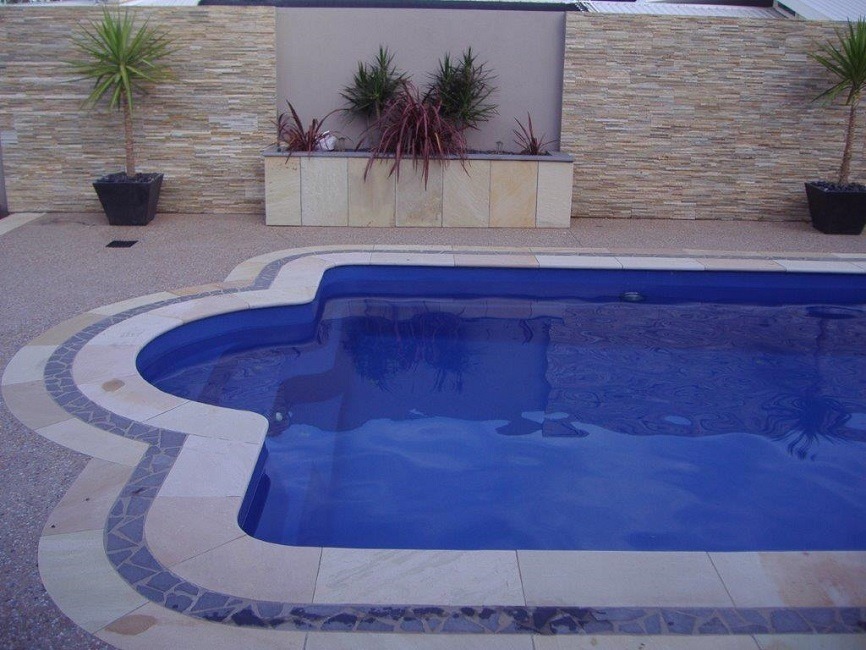
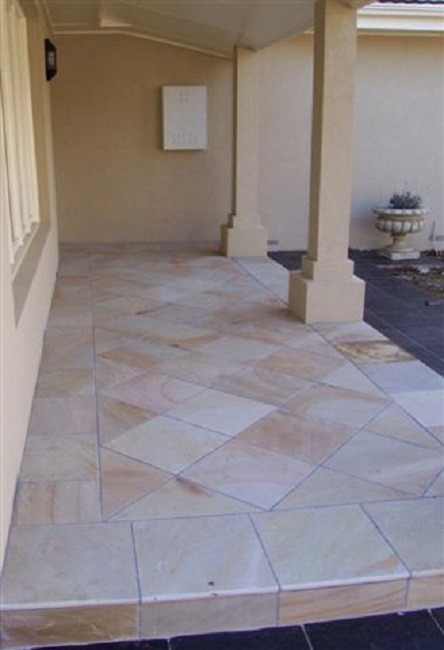
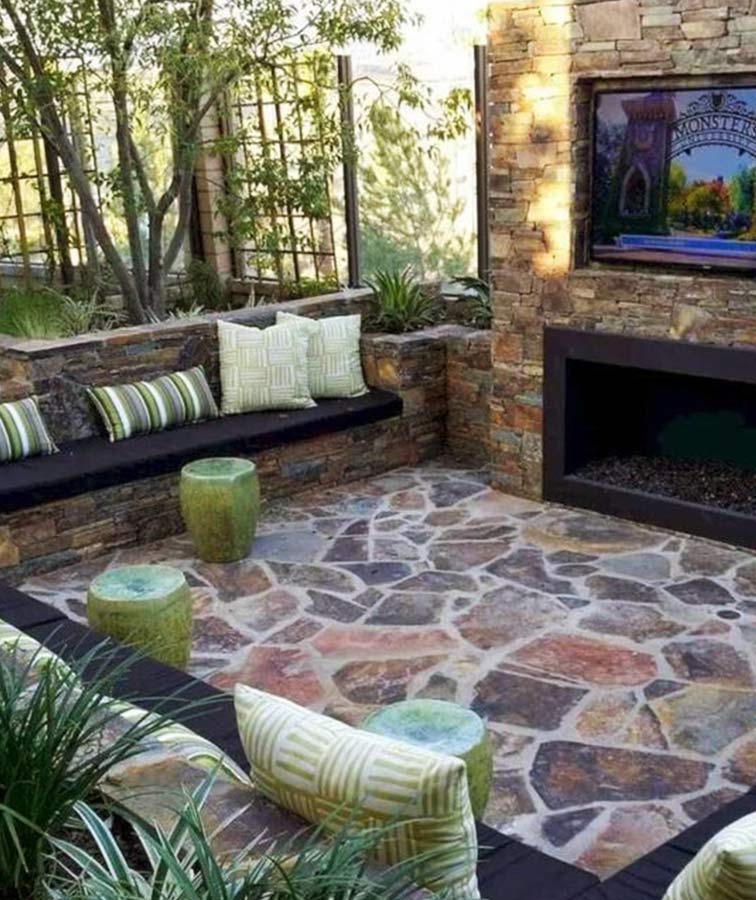
Get Inspired by Travertine and Sandstone Installation Images
View Our Stone Comparison Series of Articles Below
Compare Bluestone to Granite | Compare Travertine to Sandstone | Compare Travertine to Limestone | Compare Sandstone to Limestone | Compare Natural Stone to Porcelain | Compare Natural Stone to Manufactured Pavers | Compare Stone Pavers to Concreate Pavers | Compare Granite to Limestone | Compare Sandstone to Bluestone | Compare Travertine to Bluestone
Natural Stone Comparision Series: Read to learn more
Sandstone vs Limestone Pavers: Which Natural Stone is Best for Australian Outdoor Spaces in 2026?
- Travertine vs Sandstone Pavers and Tiles: Which Natural Stone is Best for Australian Outdoor Spaces in 2026?
- Travertine Tiles and Pavers vs Limestone Pavers: Which Natural Stone is Best for Australian Outdoor Spaces in 2026?