

Bluestone Pavers vs Granite Pavers: Which Natural Stone is Best for Australian Outdoor Spaces in 2026?
Glenn Russell - Master Stonemason
Experienced working in the industry for over 40 years.
Author
Lets begin our comparison
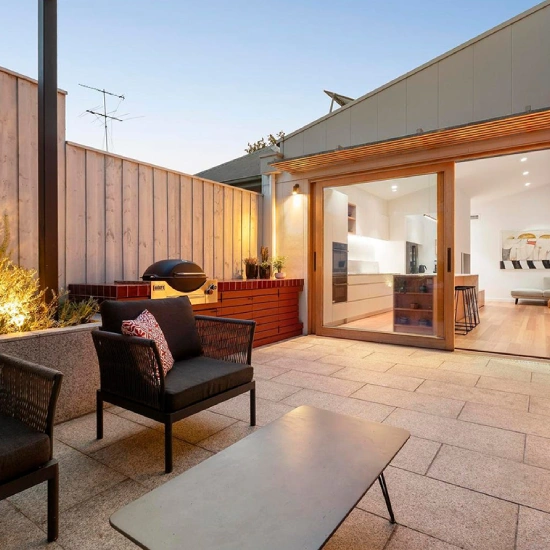
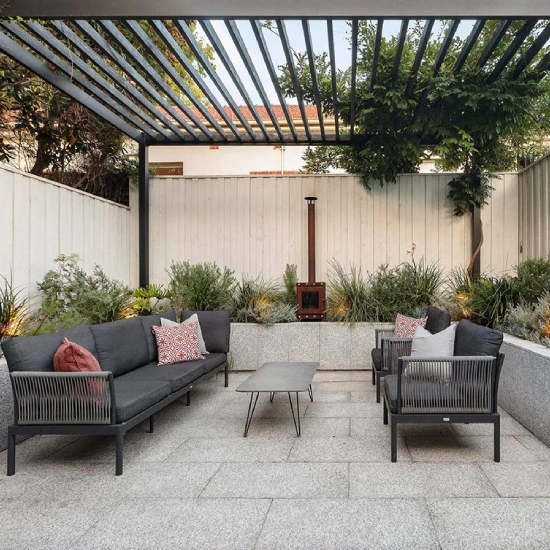
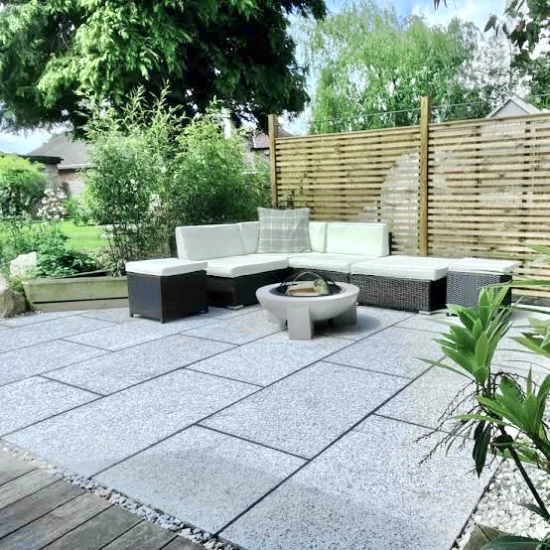
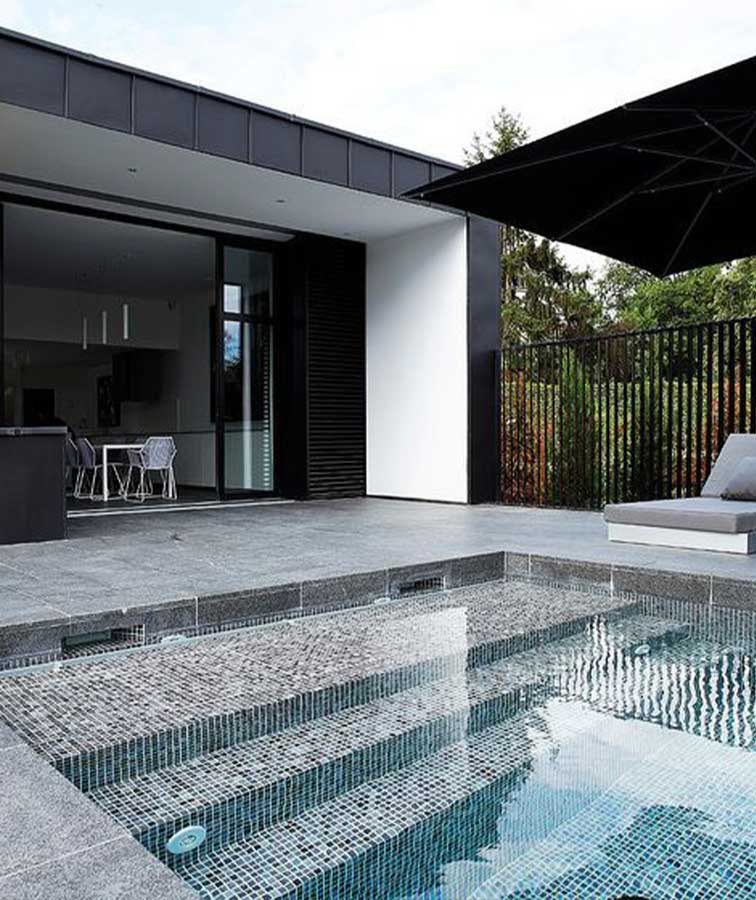
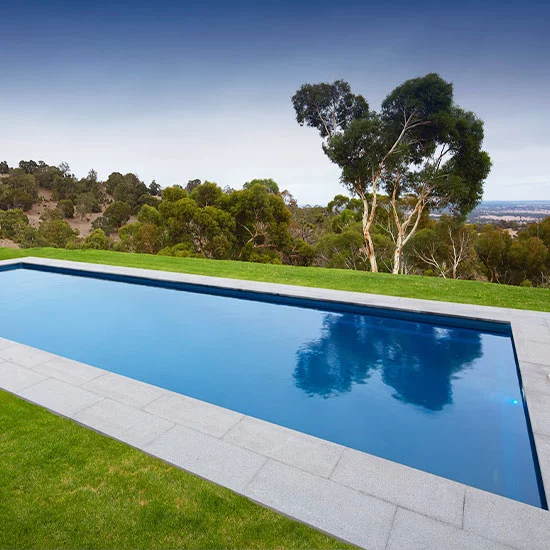
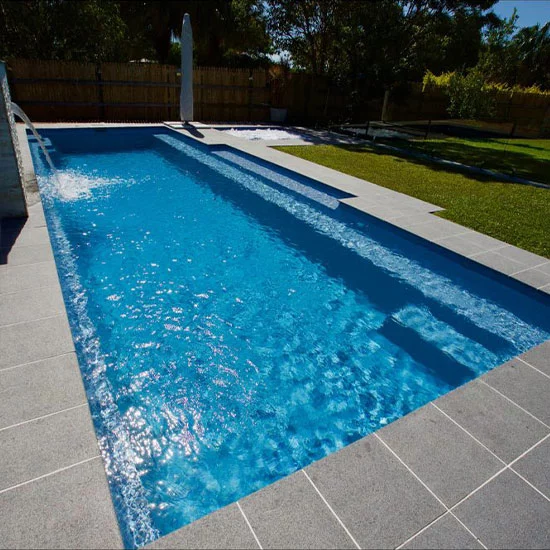
Granite and bluestone (basalt) are two of the hardest and most popular natural stones for outdoor paving in Australia. Granite is an igneous rock known for extreme hardness and low porosity, while bluestone is a dense volcanic basalt prized for its classic blue-grey tones and natural grip. At Stone & Slate Discounts, with over 40 years as Australia’s largest direct importer of natural stone, we supply premium ranges of both and help customers choose the right material for driveways, patios, pool surrounds, and high-traffic areas every day.
Formation and Material Properties
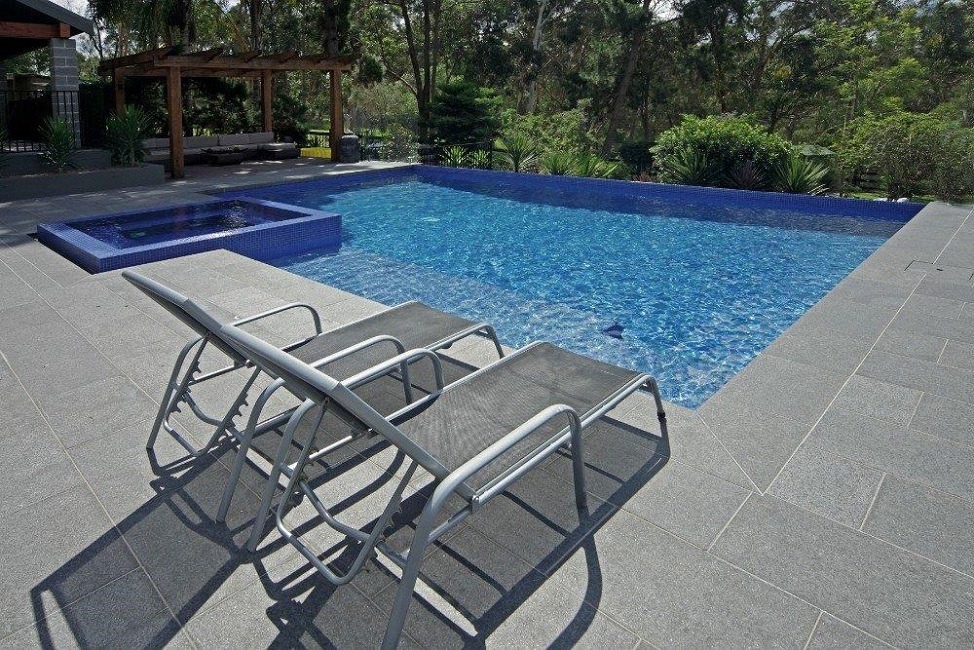
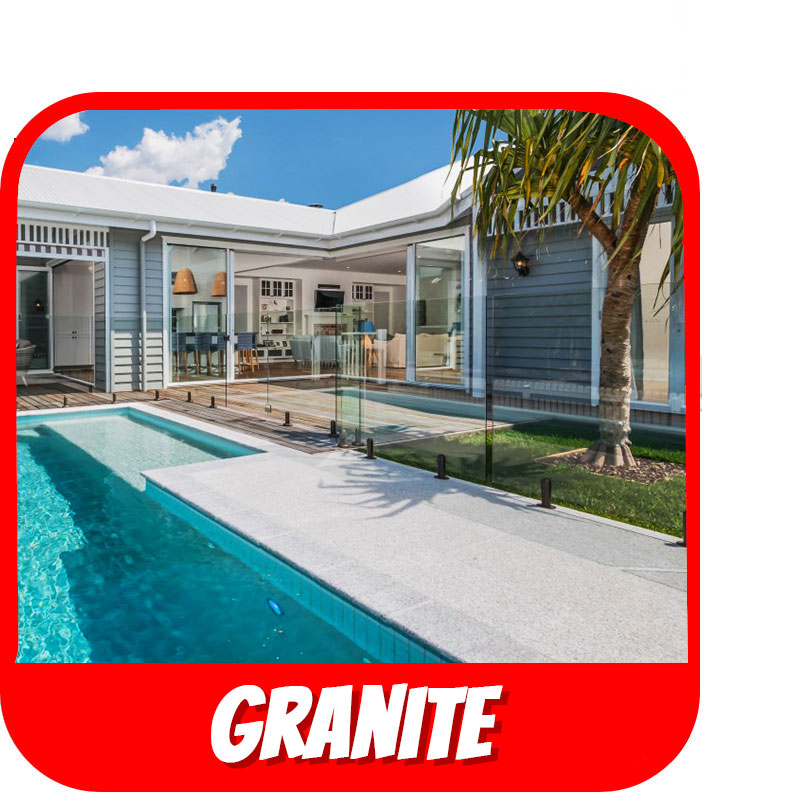
- Granite: Formed from slowly cooled magma deep underground. Extremely hard, crystalline structure with speckled patterns in colours like grey, black, white, and gold. Very low porosity.
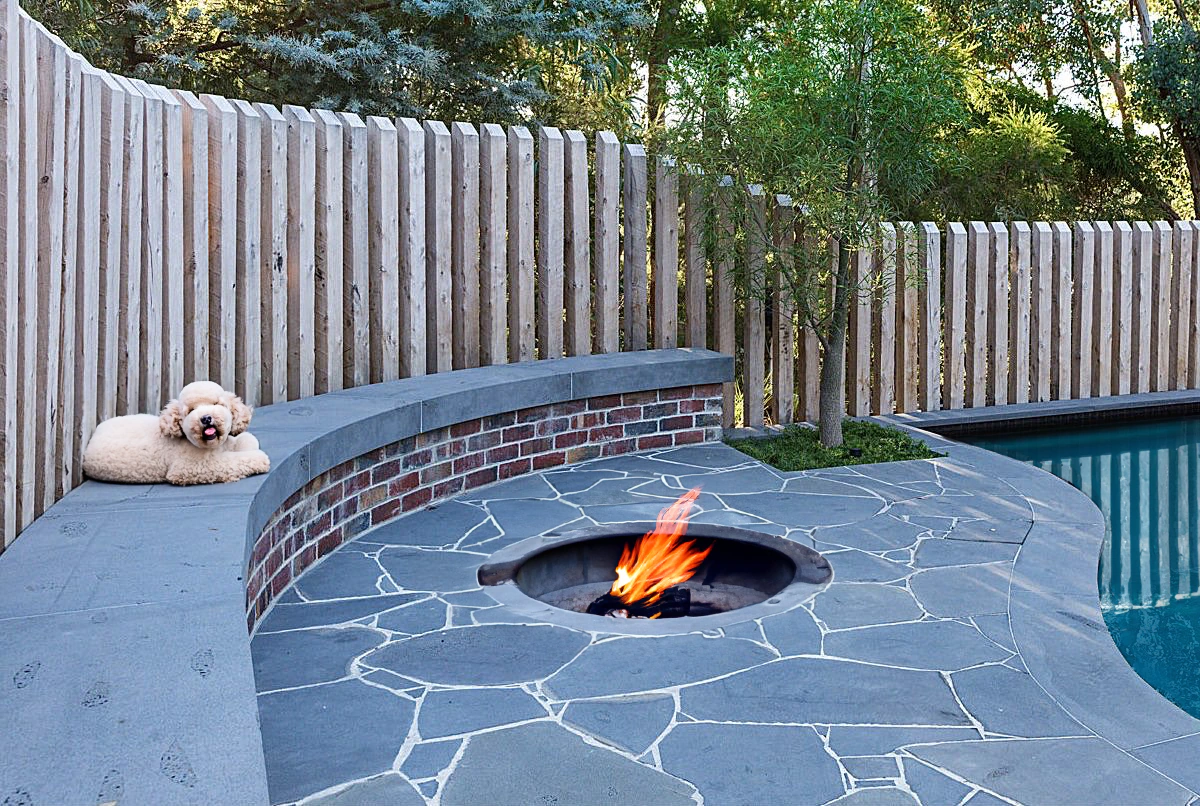
- Bluestone (Basalt): Volcanic igneous rock that cooled rapidly on the surface. Dense, fine-grained, typically blue-grey to charcoal with subtle natural variation. Low to moderate porosity depending on the source.
Full Comparison Table
| Criteria | Granite Pavers | Bluestone Pavers | Winner / Best For |
| Durability & Hardness | Exceptional – one of the hardest natural stones | Excellent – very dense and hard-wearing | Heavy traffic & driveways (Granite by a wisker) |
| Porosity | Very low – highly stain resistant | Low – good resistance but slightly more porous | Low maintenance (Granite) |
| Maintenance | Very low – sealing every 4–5 years | Low to moderate – sealing every 2–3 years | Granite |
| Slip Resistance | Good when textured/honed | Excellent – naturally grippy surface | Wet areas & pools (Bluestone) |
| Heat Underfoot | Can get warm in full sun | Moderately cool due to density | Comfort in heat (Bluestone) |
| Aesthetics | Speckled, modern, wide colour range | Classic blue-grey, uniform & timeless | Style preference |
| Colour Stability | Excellent – resists fading | Very good – develops subtle patina | Long-term consistency (Granite) |
| Weight | Heavy | Heavy | Tie |
| Cost per m² (approx.) | Generally higher | More affordable | Budget (Bluestone) |
| Lifespan | 70–100+ years | 50–100+ years | Longevity (Granite) |
| Best Australian Climates | All climates, especially high-traffic & coastal | Temperate & cooler southern states | Versatility (Granite) |
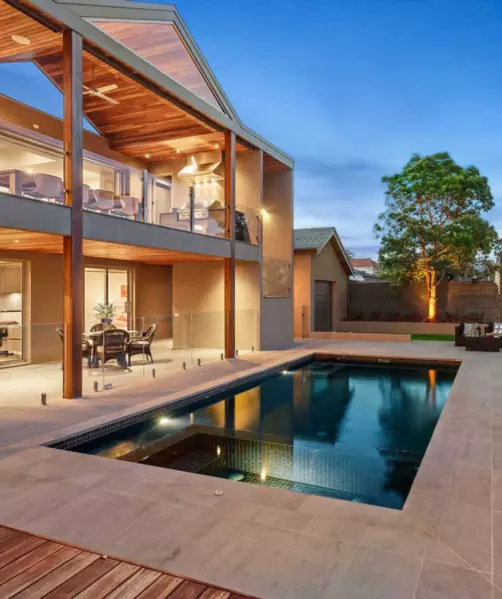
| Best Applications | Driveways, commercial, high-wear areas | Pool surrounds, patios, pathways | Application match |
Detailed Pros & Cons
Granite Pros:
- Superior hardness and scratch/abrasion resistance – ideal for driveways and heavy use.
- Very low porosity for excellent stain and weather resistance.
- Wide variety of colours and finishes for modern designs.
- Minimal long-term maintenance and outstanding longevity.
Granite Cons:
- Higher upfront cost.
- Can feel warmer underfoot in direct sun.
- May require texturing for maximum slip resistance in wet areas.
Bluestone Pros:
- Beautiful natural blue-grey tones with historic Australian appeal.
- Naturally textured surface offers great slip resistance.
- Excellent durability at a more accessible price point.
- Stays relatively cool and suits traditional or contemporary styles.
Bluestone Cons:
- Slightly more porous than granite (needs consistent sealing).
- May show wear faster in extreme high-traffic vehicle areas.
- Colour range is more limited compared to granite.
Best Use Cases in Australia
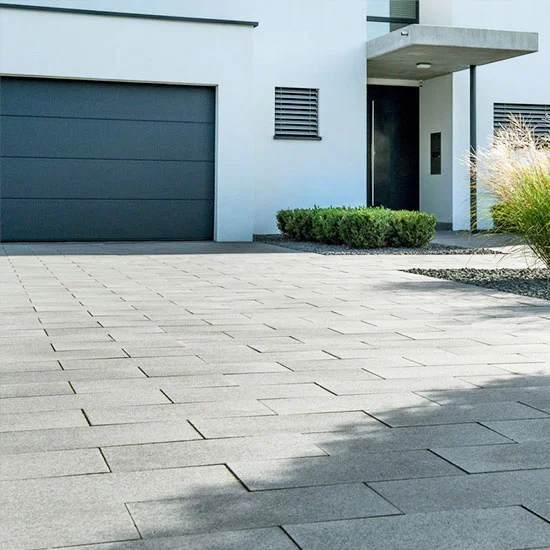
- Choose Granite for: Driveways, carports, commercial spaces, high-traffic pathways, areas needing maximum hardness and low maintenance, modern homes.
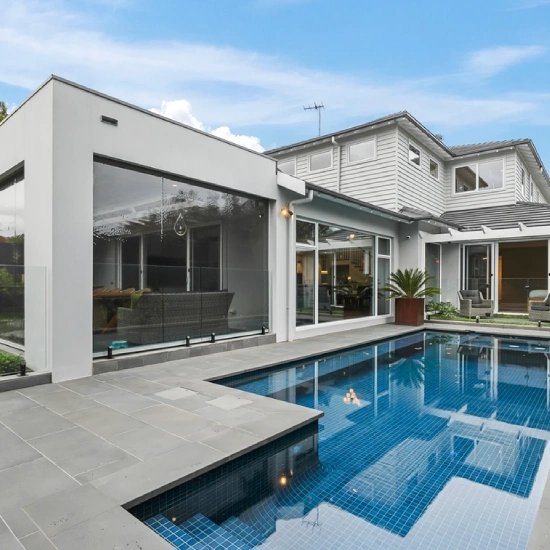
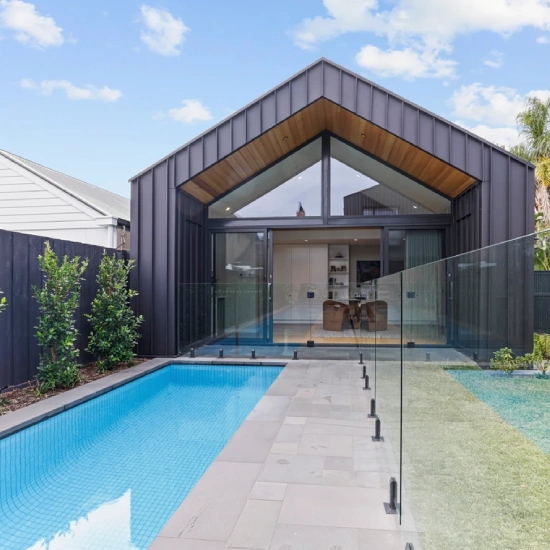
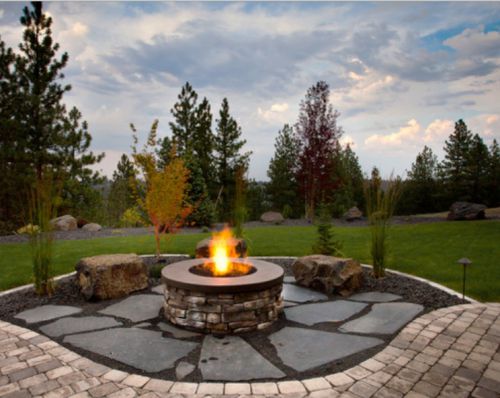
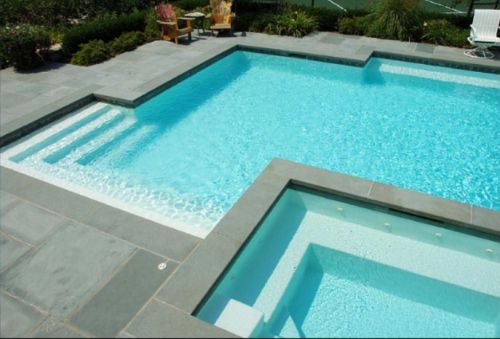
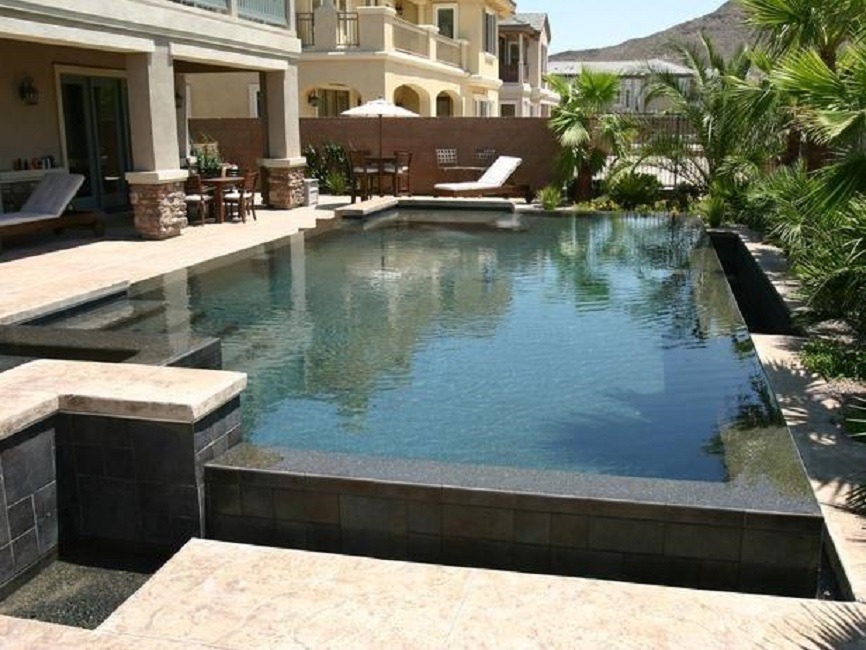
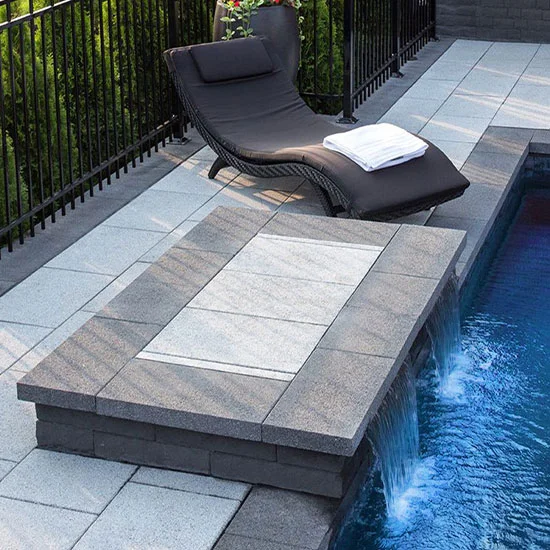
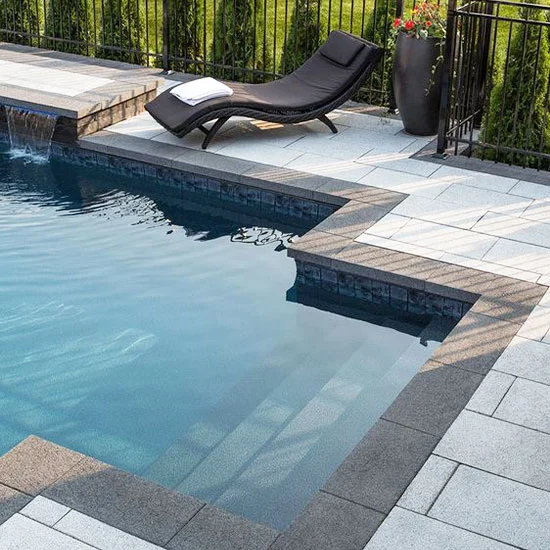
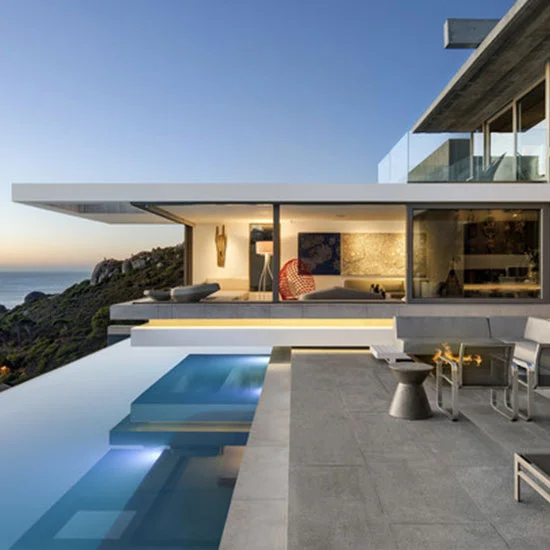
- Choose Bluestone for: Pool surrounds and coping, patios, outdoor entertaining areas, garden pathways, heritage or coastal-style projects in temperate climates.
- Hybrid Approach: Many Australian projects use granite for driveways/entries and bluestone around pools and living areas for the perfect balance of performance and beauty.
Installation & Care Tips
Both stones require a well-compacted base with proper drainage and flexible adhesives/grouts suitable for natural stone. Professional installation is recommended for large or load-bearing areas. Use a high-quality penetrating sealer on both (more frequently on bluestone). Clean regularly with pH-neutral cleaners. Avoid harsh chemicals that can damage the stone surface.
FAQ
Q: Which is harder – granite or bluestone?
A: Granite is generally harder and more scratch-resistant, making it ideal for heavy vehicle traffic.
Q: Which is better for pool areas?
A: Bluestone, thanks to its natural slip resistance and cooler feel.
Q: Does granite need less maintenance?
A: Yes – its very low porosity means less frequent sealing.
Q: Can granite be used in coastal areas?
A: Absolutely – it has excellent salt and weather resistance.
Q: Which costs more?
A: Granite usually has a higher upfront cost, while bluestone offers better value for many residential projects.
Conclusion & Recommendation
Granite edges out as the ultimate choice for maximum durability and low maintenance in demanding applications, while bluestone excels in natural slip resistance and classic Australian aesthetics at a better price. There is no single “winner” — the best stone depends on your specific project priorities, traffic levels, and design vision.
At Stone & Slate Discounts we stock Australia’s largest and most competitive range of premium granite pavers and bluestone pavers, with direct import pricing and guaranteed value. We offer completely free samples delivered Australia-wide so you can compare them in your own space and lighting.
Our master stonemasons are available for expert advice on finishes, layouts, and installation.
Ready to decide? Browse our Granite pavers collection and Bluestone pavers today. Visit our Melbourne showroom or contact us for unbeatable prices and personalised recommendations.
Get Inspired by Sandstone and Limestone Installation Images
View Our Stone Comparison Series of Articles Below
Compare Bluestone to Granite | Compare Travertine to Sandstone | Compare Travertine to Limestone | Compare Sandstone to Limestone | Compare Natural Stone to Porcelain | Compare Natural Stone to Manufactured Pavers | Compare Stone Pavers to Concreate Pavers | Compare Granite to Limestone | Compare Sandstone to Bluestone | Compare Travertine to Bluestone